
Meta Description: Discover why Pakistan is the world’s most underrated luxury travel destination. From the towering Karakoram peaks to UNESCO World Heritage Sites and world-class hospitality, Pakistan offers a truly one-of-a-kind journey for the discerning traveller.
Focus Keyword: Luxury travel in Pakistan
Introduction: The Destination the World Has Been Missing
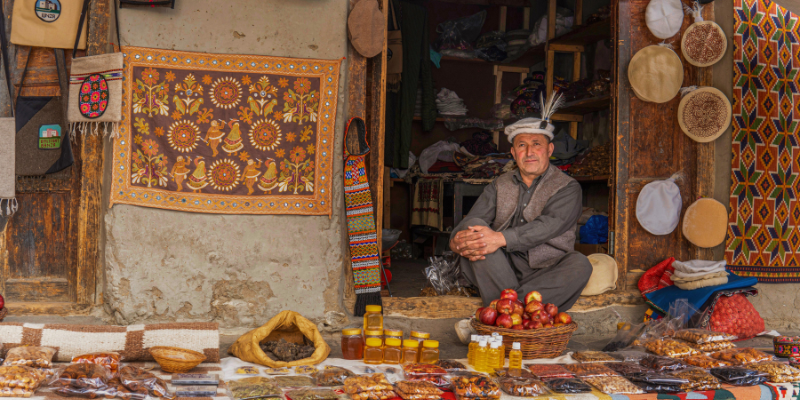
There is a certain kind of traveler who is no longer satisfied with the predictable. They have walked the streets of Paris, photographed the temples of Kyoto, and sailed across the Greek islands. They are searching for something rarer, a place where raw natural beauty meets deep cultural history, where the roads lead somewhere few have gone before, and where the welcome feels entirely genuine.
That place is Pakistan.
Pakistan holds a remarkable concentration of the world’s most breathtaking landscapes, ancient civilizations, and living cultural traditions, yet it remains one of the least explored luxury destinations on the planet. For travelers and travel companies who are ready to think beyond the ordinary, Pakistan is not just an option — it is the opportunity of a generation.
This blog takes you through the reasons why Pakistan deserves a top position on every luxury travel map in the world today.
A country of record breaking natural grandeur
Pakistan is home to more mountains above 8,000 metres than any other country on earth. The Karakoram Range in the north contains K2, the world’s second highest peak, standing at 8,611 metres. Unlike Everest, K2 is considered far more technically demanding and is known among mountaineers as the “Savage Mountain.” For luxury expedition travellers and adventure enthusiasts, the trek to K2 Base Camp through the Baltoro Glacier is a bucket-list journey in every sense of the word.
Beyond K2, the Karakoram Highway runs through some of the most dramatically beautiful terrain on the planet. Often described as the eighth wonder of the ancient world, this road connects Pakistan to China through the Hindu Kush, Karakoram, and Himalayan mountain ranges. Travelling this route by private vehicle or guided expedition offers views that no photograph has ever fully captured.
Fairy Meadows, a grassy plateau at the foot of Nanga Parbat — the world’s ninth highest mountain — gives travellers a vantage point that simply does not exist anywhere else. The meadows are accessible by a short hike from the nearest road and offer a front-row view of Nanga Parbat’s enormous northern face, particularly spectacular at sunrise.
The Deosai Plains, located in Gilgit-Baltistan, sit at an average elevation of over 4,000 metres and form one of the highest plateaus in the world. The plains are a protected national park and one of the few places on earth where the Himalayan brown bear roams freely. In summer, the entire plateau bursts into wildflowers, creating a landscape of extraordinary colour and silence.
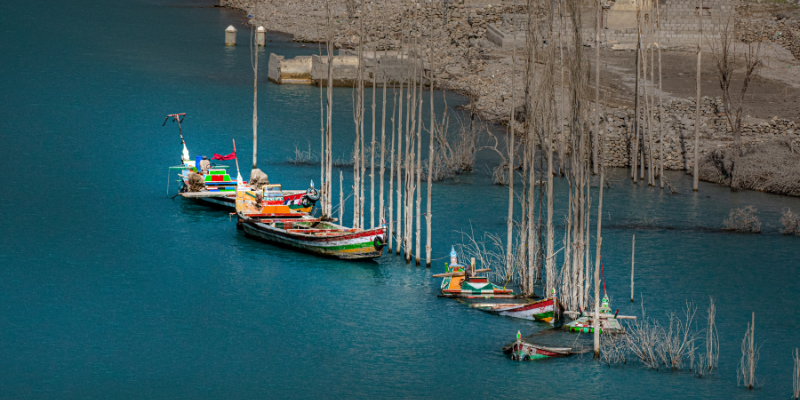
Attabad Lake in the Hunza Valley is another natural wonder that leaves visitors speechless. Its water is a vivid, almost impossibly blue turquoise, and it is enclosed on all sides by towering mountain walls. Boat trips across the lake and luxury camping on its shores have become some of the most sought-after experiences in the region.
Hunza Valley: Pakistan’s Crown Jewel for the Luxury Traveler
If there is one region of Pakistan that perfectly encapsulates everything the country has to offer, it is the Hunza Valley. Nestled in Gilgit-Baltistan at an altitude of around 2,400 metres, Hunza is a place of serenity, history, and staggering beauty.
The valley is surrounded by some of the world’s highest peaks, including Rakaposhi, Ultar Sar, and Lady Finger. In spring, the valley blooms with apricot and cherry blossoms, creating a landscape straight out of a painting. In autumn, the trees turn gold and amber against the backdrop of snow-capped peaks.
Karimabad, the main town of Hunza, is home to two of Pakistan’s most impressive historical monuments. Baltit Fort, which dates back over 700 years, sits on a rock above the town and offers panoramic views over the valley. Altit Fort, believed to be even older, stands at the edge of a cliff and has been beautifully restored. Both forts speak to the long and layered history of the Hunza Kingdom and its position along the ancient Silk Road.
The local food culture in Hunza is deeply connected to the land. Apricots, mulberries, walnuts, and buckwheat have sustained this community for centuries, and the cuisine that emerges from this tradition is wholesome, distinctive, and genuinely delicious. For luxury travellers who value authentic culinary experiences, a private dinner with a local family or a curated tasting of Hunza’s organic produce is an experience of real cultural depth.
Luxury accommodations in the region have grown significantly in recent years, with boutique hotels and guesthouses offering private balconies directly facing the peaks, gourmet dining, and personalised service. The combination of world-class scenery and genuine hospitality makes Hunza one of the finest luxury destinations in all of Asia.
Lahore: A Living Museum of Mughal Civilisation
No blog about Pakistan as a luxury destination would be complete without a dedicated tribute to Lahore. This city of over ten million people is the cultural capital of Pakistan and one of the most historically significant cities in South Asia.
Lahore was the seat of Mughal power for centuries, and the physical legacy of that era remains intact in a way that few cities in the world can claim. The Lahore Fort, a UNESCO World Heritage Site, is a vast royal complex that took shape under multiple Mughal emperors over hundreds of years. Its palaces, gardens, mosques, and audience halls tell the story of an empire at the height of its cultural and architectural ambition.
The Badshahi Mosque, built in 1673 under Emperor Aurangzeb, is one of the largest mosques in the world and one of the finest examples of Mughal architecture ever constructed. Its red sandstone exterior, white marble domes, and monumental courtyard create an atmosphere of quiet magnificence that draws visitors from every continent.
The Shalimar Gardens, also a UNESCO World Heritage Site, were laid out in 1641 by Emperor Shah Jahan, the same emperor who built the Taj Mahal. The gardens are designed across three terraces with hundreds of fountains, pools, and flowerbeds, and they represent the Mughal ideal of paradise on earth brought to physical form.
Wazir Khan Mosque, located inside the old walled city, is widely considered the most ornately decorated mosque on the subcontinent. Its facade is covered in hand-cut tile work and frescoes that took artisans years to complete, and the result is a building of breathtaking visual complexity.
Lahore’s food culture is legendary across South Asia. The city’s food streets offer everything from slow-cooked nihari and crispy fried fish to the rich, slow-braised paya. A private food tour through the old city’s lanes, with stops at institutions that have been serving the same dishes for generations, is a culinary journey that belongs on any luxury travel itinerary.
Luxury hotels in Lahore, including the iconic Pearl Continental and properties within the Serena Hotels group, offer world-class amenities, spa facilities, fine dining, and conference services for travellers who expect the highest standards of comfort and service.
Pakistan’s UNESCO World Heritage Sites
Pakistan has six UNESCO World Heritage Sites, and each of them represents a chapter of human history that is found nowhere else on earth.
Mohenjo-daro, located in Sindh province, is one of the earliest planned cities in human history. Built around 2500 BCE as part of the Indus Valley Civilisation, the city was home to tens of thousands of people and featured sophisticated urban infrastructure including grid-planned streets, public baths, and drainage systems that were ahead of their time by thousands of years. Visiting Mohenjo-daro is not merely sightseeing — it is standing inside one of the foundational chapters of human civilisation.
Taxila, in northern Punjab, is an ancient city that was an important centre of Buddhist learning and Gandharan culture. The site contains ruins spanning more than a thousand years of history and draws scholars, archaeologists, and culturally curious travellers from around the world.
The Makli Necropolis in Sindh is one of the largest funerary sites in the world, with an estimated half a million tombs and monuments spread across more than nine square kilometres. It is a place of extraordinary architectural and spiritual heritage.
Rohtas Fort, built in the sixteenth century by Sher Shah Suri, is one of the finest examples of early Muslim military architecture in South Asia. Its massive walls and intricate gateways have survived centuries in exceptional condition.
Together with the Lahore Fort, Shalimar Gardens, and the Buddhist ruins of Taxila, these sites make Pakistan one of the most historically rich countries on earth for the heritage-focused luxury traveller.
The Silk Road: Travelling Through Living History
Pakistan sits at the heart of the ancient Silk Road, the network of trade routes that connected China, Central Asia, South Asia, and the Mediterranean for over a thousand years. This history is not merely academic — it is visible in the faces, the languages, the architecture, and the cuisine of the communities that live along these routes today.
The Karakoram Highway traces the path that Silk Road traders once used to carry silk, spices, and precious goods between civilisations. Travelling this road today with a knowledgeable guide and a private vehicle is one of the finest ways to connect with that history while experiencing the natural splendour of the mountains.
The valley communities of Gilgit-Baltistan still carry traditions — in their crafts, their music, their polo tournaments, and their hospitality — that are rooted in centuries of exchange between cultures. For the luxury traveller who values authentic cultural immersion, this living connection to history is something no museum can replicate.
The Kalash Valley: A Cultural Experience Unlike Any Other
Tucked away in the Chitral district of Khyber Pakhtunkhwa, the Kalash Valley is home to the Kalash people, a community of around 4,000 individuals who maintain a pre-Islamic cultural tradition that is unique in the world. The Kalash have their own language, religion, festivals, and dress code, and they have lived in these valleys for centuries largely undisturbed by the outside world.
The three Kalash valleys — Bumburet, Rumbur, and Birir — are accessible by road from Chitral, and a respectful, guided visit to this community offers a window into a way of life that is genuinely different from anything most travellers have encountered. The Kalash festivals, particularly Chilam Joshi in spring and Uchal in summer, are vibrant celebrations of music, dance, and community that visitors are welcome to observe.
A well-organised luxury tour to the Kalash Valley should include transportation from a major city such as Peshawar or Islamabad, accommodation in quality guesthouses or nearby boutique properties, and a local guide who can provide context and facilitate respectful interaction with the community.
World Class Hospitality in Pakistan
One of the things that consistently surprises first-time visitors to Pakistan is the quality and sincerity of the hospitality they receive. Pakistani culture places extraordinary value on treating guests with generosity and warmth, and this cultural tradition translates directly into the travel experience.
The Serena Hotels group operates properties across Pakistan, including in Islamabad, Lahore, Gilgit, Faisalabad, and Swat. These hotels offer five-star facilities, beautifully designed interiors that reflect local architectural traditions, fine dining, spa services, and the kind of attentive service that luxury travellers expect.
Pearl Continental Hotels, with properties in Karachi, Lahore, Rawalpindi, Bhurban, and other cities, represent another cornerstone of Pakistan’s luxury hospitality sector. Their Bhurban property, set in the forested hills of the Murree region, is particularly popular with guests looking for mountain air, scenic views, and a full range of resort facilities.
Beyond these established brands, a new generation of boutique hotels, eco-lodges, and high-end guesthouses has emerged across the country, particularly in the mountain regions of the north. Many of these properties offer a deeply personal level of service, curated local experiences, and accommodation that reflects the natural beauty of their surroundings.
Why Now Is the Right Time to Visit Pakistan
The Pakistani government and tourism industry have invested significantly in developing infrastructure, safety, and tourism services over the past several years. Visa processes have been streamlined, with many nationalities now eligible to obtain an e-visa or visa on arrival. Road infrastructure has improved substantially, particularly in the north, making destinations that were once difficult to access now far more reachable.
International travel media has begun to take notice. Pakistan has appeared on the recommended destination lists of major travel publications, and the international photography and adventure travel communities have been drawing global attention to the country’s landscapes. The window of opportunity to experience Pakistan before it becomes mainstream is very much open, but it will not remain open indefinitely.
For travel companies, Pakistan offers an extraordinary product. The combination of dramatic natural scenery, deep historical heritage, authentic cultural encounters, and genuine hospitality creates a travel experience that is both diverse and deeply memorable. Clients who travel to Pakistan almost universally describe it as one of the most significant journeys of their lives.
What Our Travel Company Offers for Pakistan
We design private, fully curated journeys to Pakistan for individuals, couples, families, and small groups. Every itinerary we create is built around the specific interests, expectations, and comfort levels of our clients. Whether you are looking for a high-altitude trekking expedition to K2 Base Camp, a cultural immersion through the Mughal heritage of Lahore, a private touring route along the Karakoram Highway, or a combination of all of these, we handle every detail.
Our services include private vehicle arrangements, expert local guides, five-star and boutique hotel bookings, restaurant reservations, activity coordination, and on-the-ground support throughout your journey. We work with trusted ground partners in every region of Pakistan to ensure that your experience meets the highest possible standards.
We believe that Pakistan is not just underrated — it is genuinely one of the world’s great travel destinations. We would love to help you discover it for yourself.
Contact us today to begin planning your journey to Pakistan.
Pakistan is safe for tourists who travel with proper planning, reputable guides, and a well-organised itinerary. The major tourist destinations, including Hunza Valley, Lahore, Islamabad, the Karakoram Highway, and Gilgit-Baltistan, have welcomed thousands of international visitors in recent years without significant incident. Like any destination, it is important to stay informed, travel with a trusted local operator, and follow current guidance from your country’s foreign travel advisory. Working with an experienced travel company that has strong ground connections in Pakistan is the most effective way to ensure a safe and rewarding experience.
The best time to visit Pakistan depends on the regions you plan to explore. For the northern mountain areas such as Hunza, Gilgit-Baltistan, and the K2 region, the ideal window is between May and October, when roads are open, weather is stable, and the landscapes are at their most spectacular. For Lahore, Islamabad, and the historical sites of central and southern Pakistan, October through March offers cooler and more comfortable temperatures. Spring, particularly April and May in Hunza, is a popular time for the famous apricot blossom season, which draws visitors from around the world.
Pakistan has significantly simplified its visa process in recent years. Citizens of many countries are now eligible to apply for an e-visa online before travelling, while some nationalities can obtain a visa on arrival at major international airports. The process, requirements, and eligible nationalities are subject to periodic updates, so we strongly recommend checking the latest guidelines from the Pakistani government’s official visa portal or contacting us directly. As part of our travel planning service, we assist all our clients with visa guidance and documentation support to ensure the process is as smooth as possible.
Pakistan offers a growing range of accommodation options for luxury travellers. In the major cities, established five-star brands such as Serena Hotels and Pearl Continental Hotels provide world-class facilities including fine dining, business services, and spa amenities. In the northern mountain regions, a new generation of boutique hotels, high-end guesthouses, and eco-lodges offers beautifully located accommodation with personalised service and direct access to some of the country’s most stunning scenery. Our team selects and books the finest available properties in every destination on your itinerary to ensure a consistently high standard of comfort throughout your journey.
Ready to plan your luxury journey to Pakistan? Get in touch with our team and let us create an itinerary that matches your vision of the perfect trip.