
Why Pakistani People Are Among the Most Hospitable in the World: A Cultural Guide for Travellers
Ask anyone who has actually travelled to Pakistan what surprised them most about the country and the answer is almost never the mountains, the food, or the history, though all three are extraordinary. The answer is almost always the people. The consistent, unconditional, and entirely unsolicited warmth that Pakistani people extend to strangers is the thing that catches visitors most off guard, because it is so far removed from what they were led to expect and so much more generous than what they encounter almost anywhere else on earth.
This is not a romantic generalisation. It is a documented pattern across thousands of individual traveller accounts, across every region of Pakistan, across every demographic of visitor. Male and female travellers, budget backpackers and luxury tourists, solo adventurers and group tour participants, people who came from the UK, the US, Europe, Australia, Japan, and every other corner of the world have independently arrived at the same conclusion: Pakistani people are among the most hospitable they have encountered anywhere.
Understanding why this is true requires looking at Pakistan culture at its roots, at the regional traditions that shape the behaviour of people in different parts of the country, at the religious and social frameworks that make hospitality a moral obligation rather than a social nicety, and at the specific ways in which Pakistani hospitality expresses itself in everyday life and in occasions as elaborate as the Pakistani wedding. This article explores all of those layers and explains how Perch Travels and Tours helps visitors access the kind of genuine human encounter with Pakistani people that makes a trip to the country more than a collection of sights.
The Pakistani Hospitality Paradox: The World’s Most Misrepresented People
There is a word that Pakistani people use when discussing hospitality that appears across regions, languages, and cultural backgrounds within the country. The word is mehman, meaning guest, and the treatment of the mehman as a sacred obligation runs through Pakistani culture the way a river runs through a landscape: it shapes everything it touches and it cannot be separated from the terrain it passes through.
In Pakistan, the guest is not simply someone who has arrived. They are someone who carries with them an implicit claim on the household’s resources, the host’s time, and the community’s attention for as long as they are present. Turning a guest away is not rudeness in Pakistani culture. It is something closer to a moral failure. Feeding a guest inadequately is a source of genuine shame. Sending a guest away without knowing where they are going next is careless in a way that most Pakistanis find difficult to do even with strangers they met an hour ago.

This orientation toward guests is the reason why Pakistani people have surprised travellers for as long as foreigners have been visiting the country. The surprise is never about the landscape or the food, though both are revelatory. It is about the man at the roadside who insists you stop for chai even though you are on your way somewhere and he does not know you. It is about the family in Hunza that invites you to dinner because you admired their apricot tree from the road. It is about the group of young men in Lahore who spend their afternoon making sure you find what you were looking for, despite having nowhere to be and no reason to help other than that you needed it.
The Cultural Roots of Pakistani Hospitality
Pakistani culture did not produce its hospitality tradition in a single moment. It was built over centuries at the intersection of several powerful forces: indigenous tribal codes, Islamic values, Sufi spiritual practice, and the practical demands of life along some of the world’s most significant trade and migration routes.
The Tribal Codes
The oldest layer of Pakistani hospitality culture comes from the tribal traditions of the people who have inhabited this geography for thousands of years. The Pashtun people of Khyber Pakhtunkhwa and the tribal belt have a code of conduct called Pashtunwali that is one of the most comprehensive honor-based ethical frameworks in the world, and hospitality, which they call melmastia, is one of its central pillars. Under melmastia, a Pashtun host is obligated to provide food, shelter, and protection to any guest who arrives at their door, without question, without limit, and regardless of the cost. This obligation extends even to enemies. A man who has come to your door as a guest cannot be harmed while he is under your roof. The guest is inviolable.
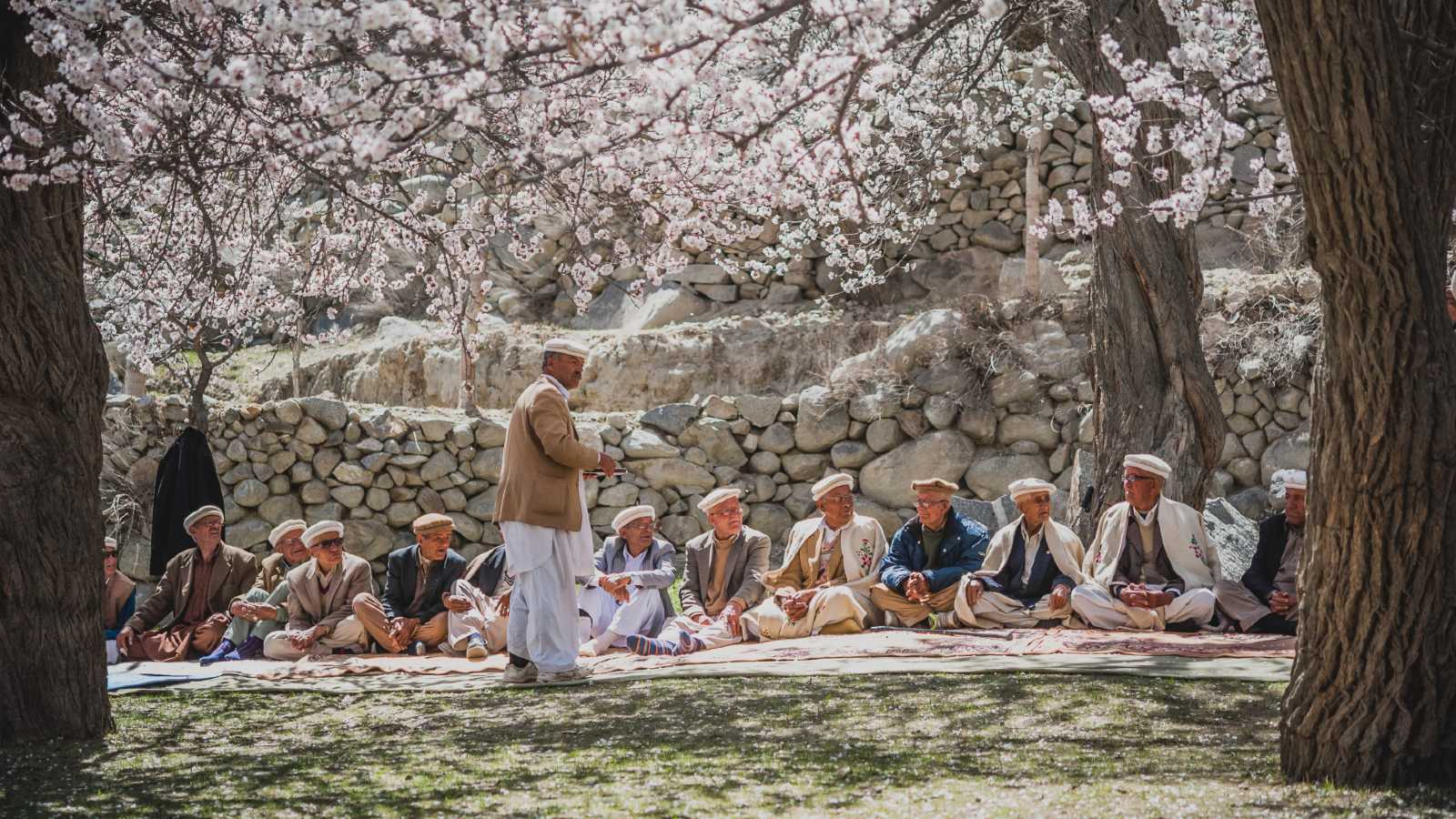
The Baloch people have an equivalent code called Balochiyat, which carries the same weight of hospitality obligation and has shaped the culture of Pakistan’s largest province in exactly the same way that Pashtunwali has shaped the north. The Baloch tradition of providing for any traveller who arrives in need is so deeply embedded in the culture that accounts of extraordinary generosity from completely unexpected sources, a herder who gives a stranded traveler his own food, a village that collectively accommodates a large group of visitors with no prior notice, are not exceptions in Balochistan. They are the norm.
Islamic Values
Pakistan is a Muslim-majority country, and the Islamic tradition of hospitality provides a religious framework that reinforces what the tribal codes establish at the social level. In Islamic teaching, the guest is described in terms that elevate their presence to something spiritually significant. The Prophet Muhammad is reported to have said that whoever believes in Allah and the Last Day should honour their guest, and this teaching is taken seriously in Pakistani Muslim households in a way that is palpable to any visitor who has been inside one.
The result is that Pakistani hospitality is not contingent on mood, on economic circumstances, or on how the host is feeling that particular day. It is a religious obligation that is practised because it is right, not because it is convenient. A Pakistani family that is itself struggling economically will still find a way to put food in front of an unexpected guest, because to do otherwise would be a failure of their faith as much as a failure of their social duty.
Sufi Spiritual Tradition
Sufi Islam has been one of the most powerful cultural forces in the Indian Subcontinent for over a millennium, and its expression in Pakistan culture is visible everywhere from the shrine culture of Sindh and Punjab to the devotional music traditions that define Pakistani cultural identity from Lahore to Peshawar. The Sufi worldview holds that every human being carries a divine spark and that hospitality extended to a stranger is therefore an act of spiritual recognition, of seeing the divine in the person before you and responding accordingly. This is not a metaphor in Pakistani Sufi practice. It is a lived spiritual orientation that expresses itself in the unconditional welcome that the great Sufi shrines have offered to all visitors, regardless of religion, status, or background, for centuries.
Regional Expressions of Hospitality Among Pakistani People
Pakistan people are not a monolithic group. The country’s population of over 230 million is divided across dozens of ethnic, linguistic, and regional communities, each with its own character, traditions, and expressions of the shared hospitality culture. Understanding these regional differences enriches the experience of travelling among them.
The Pashtun North
The Pashtun communities of Khyber Pakhtunkhwa are perhaps the most immediately striking in their hospitality because of the speed and totality with which it is offered. A traveler arriving in Peshawar, Swat, or Chitral will find themselves offered tea, food, and conversation within minutes of stopping anywhere that a local person is present. The hospitality is not preformative. It does not wait for the right social moment. It comes forward immediately because the Pashtun cultural framework leaves no room for hesitation when a guest is present. The famous hujra, the communal guest room that Pashtun households traditionally maintain specifically for visitors, is a physical expression of how deeply the hospitality obligation is built into the architecture of the culture.
The Punjabi Warmth
Punjabi culture, which is centred in Pakistan’s most populous province, expresses hospitality primarily through food and festivity. Punjab is the heartland of Pakistan’s agricultural abundance, and the Punjabi tradition of feeding guests at a level that leaves nothing to be desired reflects both the region’s material richness and its cultural value system. A Punjabi host who believes a guest has not eaten enough is a host who has personally failed, and the lengths to which Punjabi families go to ensure that visitors leave full, comfortable, and genuinely cared for can seem overwhelming to visitors from cultures where a single serving is normal. Pakistani weddings in Punjab are perhaps the most extravagant expression of this food-based hospitality, with guest lists of hundreds or thousands and food service of extraordinary variety and generosity.
The Sindhi Tradition
The Sindhi people of the southern province of Sindh carry a hospitality tradition deeply shaped by Sufi culture and the historic role of Sindh as a crossroads of trade, pilgrimage, and cultural exchange across the Indian Ocean world. Sindhi hospitality is characterised by a particular quality of unhurried welcome, by the sense that a guest’s presence is not an inconvenience to be accommodated but a gift to be received. The Sufi shrines of Sindh, where pilgrims, travellers, and ordinary visitors are fed from communal kitchens called langars that operate continuously, embody this tradition in its purest institutional form.
The Baloch Generosity
Baloch hospitality has already been described in the context of the Balochiyat code, but it deserves specific mention for its expression in the specific geography of Balochistan. In a province where distances are vast, settlements are sparse, and the landscape is often unforgiving, the obligation to provide for a traveler is not just cultural. It is existential. The tradition of Baloch hospitality developed in a context where failing to help a traveler in need could mean their death, and the moral weight attached to it reflects that history even in contemporary life where the material stakes are lower. Travelers who reach the more remote areas of Balochistan consistently describe the quality of their reception as among the most moving human experiences of their lives.
The Mountain Communities of the North
The Ismaili Muslim communities of Gilgit-Baltistan, and particularly of Hunza Valley, express hospitality through a combination of the universal Pakistani tradition and the specific social values of their community. Guests in Hunza are not just fed and sheltered. They are asked about their lives, their work, their homes, and their impressions of Pakistan. Conversations are genuine, and the interest is real. The result is a social experience that goes beyond the transaction of hospitality into something that feels more like friendship formed quickly.
Pakistan Culture: The Role of Food in Hospitality
No discussion of Pakistani people and their hospitality is complete without a serious treatment of food, because in Pakistan culture, food is the primary language of care. To feed someone is to love them. To feed someone well is to demonstrate that their presence in your home is meaningful.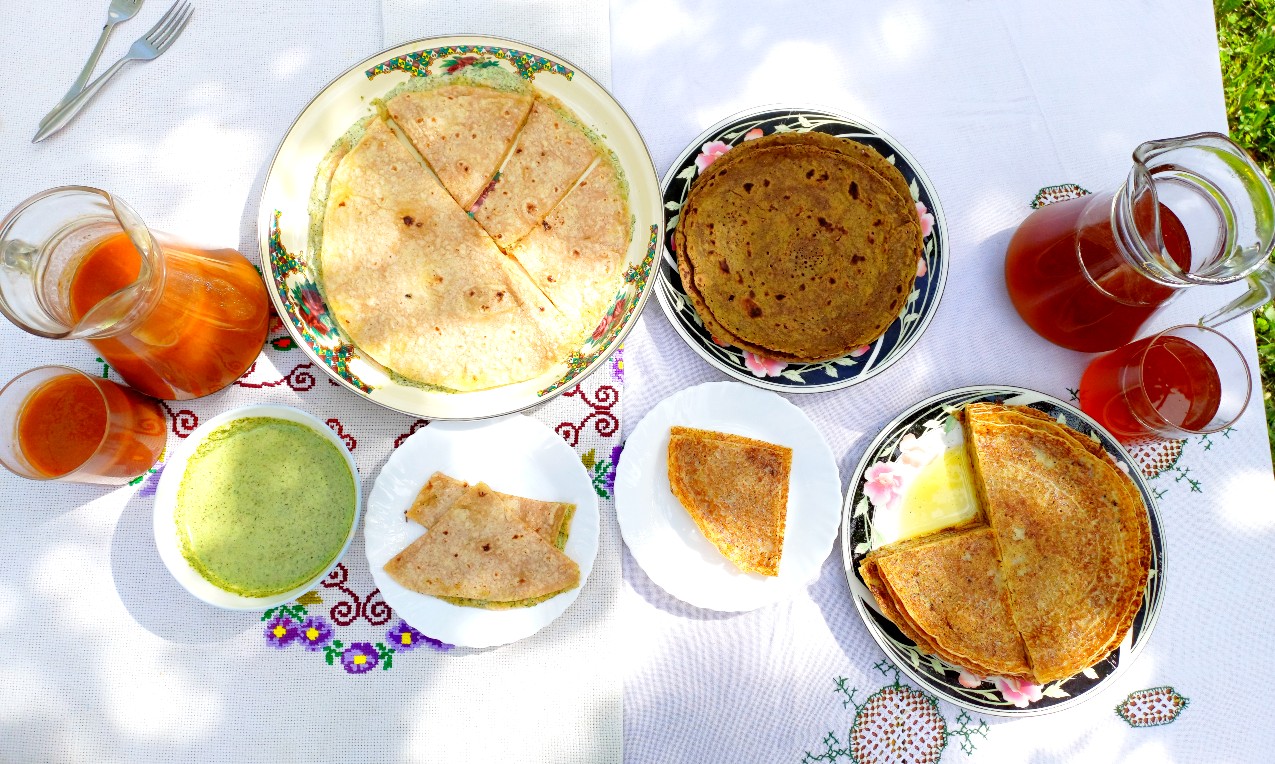
Pakistani cuisine is one of the most varied, technically accomplished, and deeply regional food traditions in South Asia. The slow-cooked meat dishes of Khyber Pakhtunkhwa, the butter-rich Punjabi curries, the seafood of the Makran Coast, the aromatic biryani traditions of Karachi, the Balochistan Sajji, the walnut and apricot dishes of Hunza, and the gram flour and date-based sweets of Sindh together constitute a culinary landscape of extraordinary breadth. What ties them together is the principle that a guest receives the best of whatever is available, and that the effort taken to prepare food is itself an expression of how much the guest is valued.
The chai tradition in Pakistan culture deserves specific mention because it operates as a form of hospitality infrastructure that functions continuously and universally. Tea is offered in Pakistan not as a social nicety but as a reflexive act of welcome. It is the first thing a host brings when someone arrives, regardless of the time of day, the purpose of the visit, or how long the visitor intends to stay. Refusing chai in a Pakistani setting is a mild social awkwardness that most Pakistani hosts will gently override. Accepting it is the beginning of every genuine human connection the country offers.
The Pakistani Wedding: Hospitality at Its Most Spectacular
The Pakistani wedding is the most elaborate and most revealing expression of pak culture’s hospitality values. Understanding how Pakistani people approach a wedding provides one of the clearest windows into what makes their culture so distinctive.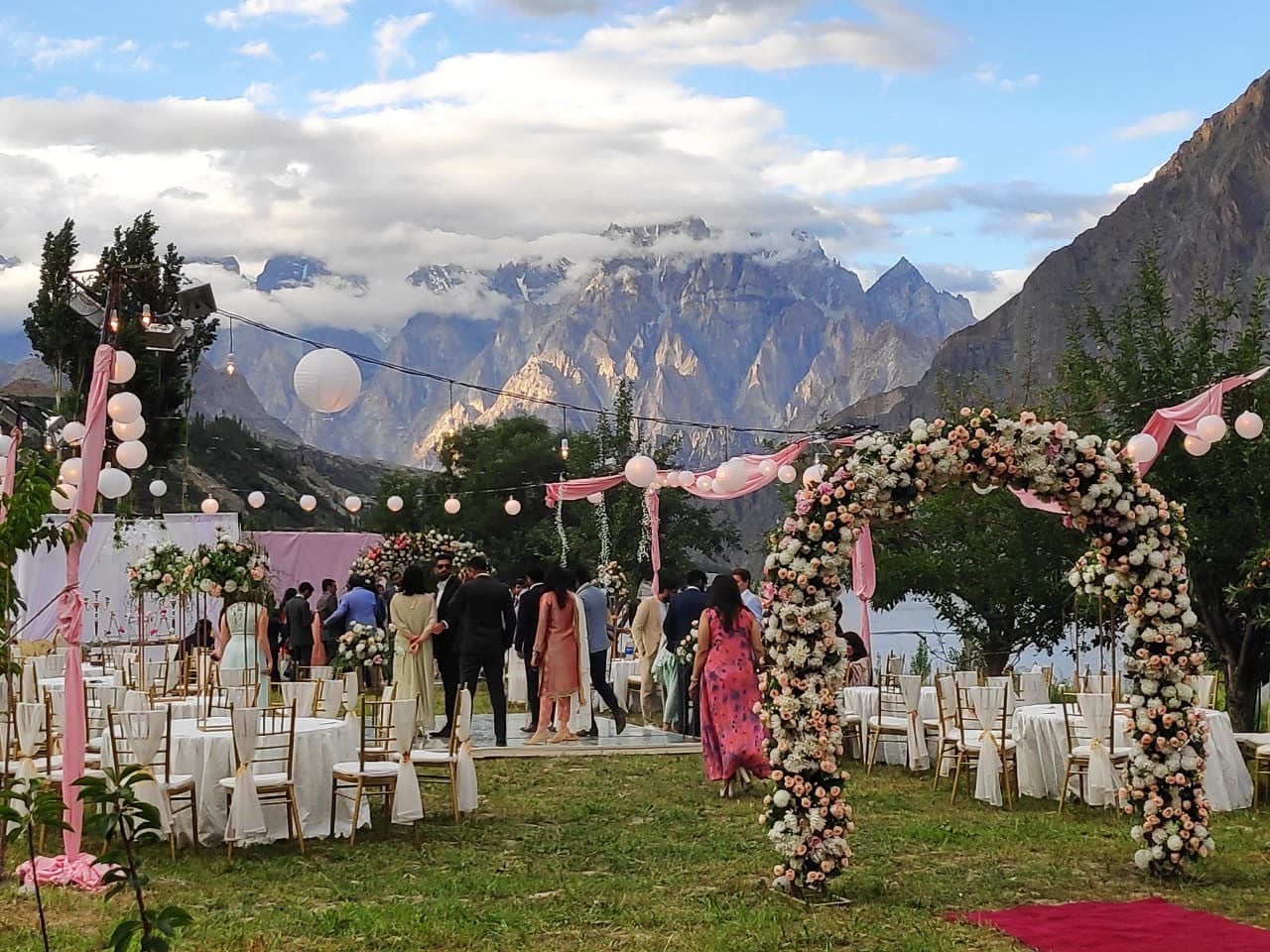
A Pakistani wedding is not an intimate gathering. It is a community event at which the host family’s social standing, generosity, and love for their guests are all simultaneously on display. Guest lists of several hundred are common. Guest lists of several thousand are not unusual for families of means or social prominence. Every person who arrives is fed, and fed generously, across multiple events that typically span several days and include mehndi ceremonies, baraat processions, valima receptions, and numerous informal gatherings in between.
The food at a Pakistani wedding is an investment of the highest order, both financially and in terms of effort. The number of dishes, the quality of the ingredients, and the skill of the preparation are matters of serious family discussion in the months before the event. The quantity served is always excessive by design, because running short would be a humiliation that no Pakistani wedding host wants to experience. The excess is intentional. It is a statement that the guest is valued beyond measure.
Pakistani weddings are also extraordinarily inclusive. The concept of a wedding to which only invited guests are admitted is alien to Pakistan culture in most communities. Neighbours, acquaintances, and people who simply live nearby and have come to see the celebration are typically welcomed and fed alongside formally invited guests. The gate is rarely closed.
Perch Travels and Tours offers complete destination wedding management across Pakistan and internationally, drawing on their deep understanding of Pakistani wedding culture to help couples create events of extraordinary quality and genuine cultural authenticity. For international couples interested in the Pakistani wedding experience as a cultural event rather than a personal ceremony, Perch also incorporates wedding visits and mehndi ceremony access into cultural itineraries through their Taste and Tradition service.
What Travellers Say About Pakistani People
The testimonials from international travellers who have visited Pakistan converge on themes with a consistency that is difficult to explain unless the underlying phenomenon is real. Words that appear again and again include warmth, generosity, surprise, overwhelmed, and changed.
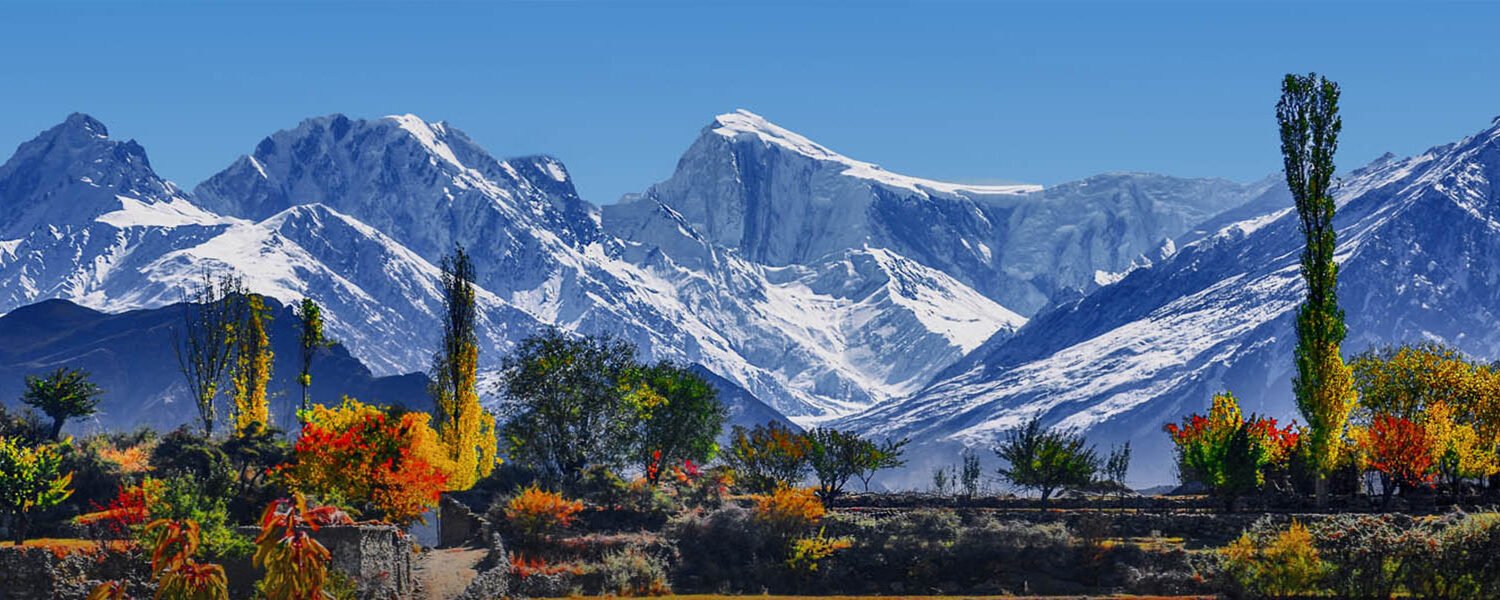
The surprise element is almost universal. Visitors who arrived with concerns about safety, about reception, or simply about navigating an unfamiliar culture describe the first day in Pakistan as the day most of their preconceptions dissolved. Not because they were given a carefully managed tourism experience, but because an ordinary Pakistani person on an ordinary street responded to their presence with a generosity and openness that they had not encountered at the same level anywhere else.
The changed element is what distinguishes Pakistan from other destinations that produce positive travel experiences. Travelers describe not just having had a good time but having been genuinely affected by the quality of human encounter the country provided. They come back to Pakistan. They recommend it to everyone they know. They describe it as the most underrated destination in the world with a consistency and a conviction that carries weight precisely because it is unsolicited.
Perch Travels and Tours’ own client reviews reflect this pattern directly. Clients describe their Pakistani travel experiences not in terms of the logistics that Perch managed but in terms of the moments and the people that the logistically-managed trip created space for.
How to Experience Pakistani Hospitality with Perch Travels and Tours
The most direct way to experience the hospitality of Pakistani people is to spend time in the places where that hospitality operates most naturally, which means getting off the main tourist routes and into the communities, homes, and cultural spaces where daily life is actually lived.
Perch Travels and Tours makes this possible through their Nomad Living Pakistan service, which places travelers in vetted community home stays with local families in Hunza, Chitral, Skardu, Swat, Tharparkar, Makran Coast, and Azad Kashmir. These are not guesthouses that happen to have a domestic feel. They are actual family homes where the traveler is received as a guest in the Pakistani cultural sense of that word, with everything that entails. Home-cooked meals, evening conversations, traditional craft demonstrations, folk music, and access to the family’s community and social world are all part of the home stay experience. For most travellers, a single night in a Pakistani family home produces the single most memorable encounter of the entire trip.
Their Taste and Tradition service creates structured access to the food, market, and artisan culture of Pakistan’s cities and towns. Market walks with local cooks in Lahore, Peshawar, Karachi, and Hunza, artisan workshops where traditional crafts are practice and explained, guided walks through historic bazaars, and home kitchen sessions with local families all produce the kind of human encounter that reveals pak culture from the inside rather than from the observing distance of a tourist route.
Their Inner Journey service opens the spiritual dimension of Pakistani hospitality through Sufi shrine pilgrimages, Buddhist monastery visits in Gilgit-Baltistan and Swat, and festival-aligned spiritual experiences across Pakistan. The Sufi shrines of Pakistan are among the most genuinely inclusive spaces in the country, where the hospitality tradition extends to visitors of every background and belief system, and where the quality of welcome is both culturally and spiritually rooted.
Perch Travels and Tours is based in Islamabad with deep roots in Hunza Valley and a service network that spans Pakistan’s full geography. They hold a 5.0 Google rating from over 24 verified clients and operate with the conviction that luxury is a quality of experience rather than a price bracket, specifically the quality of genuine human access that their local relationships and cultural knowledge make possible.
Contact Perch Travels and Tours at contactus@perchtravelsandtours.com or visit perchtravelsandtours.com to begin planning the trip that will change how you understand hospitality.
Frequently Asked Questions About Pakistani People and Culture
Why are Pakistani people considered so hospitable compared to other cultures?
The hospitality of Pakistani people is not a single cultural trait but the convergence of several powerful historical and social forces. The tribal codes of the Pashtun and Baloch communities, specifically the Pashtunwali principle of melmastia and the Baloch Balochiyat code, both establish hospitality as a binding moral obligation rather than a social choice. Islamic values reinforce this at a religious level by framing the care of guests as an act of faith. Sufi spiritual tradition adds a further layer by treating the welcome of any human being as an act of spiritual recognition. And the practical reality of Pakistan’s geography, a crossroads of trade, migration, and pilgrimage routes for thousands of years, created social conditions in which the treatment of traveller became a matter of community survival as much as community reputation. The result is a culture in which hospitality operates as a default, not a deliberate act, and in which the generosity extended to strangers is genuine rather than preformative.
What is Pakistani culture like for foreign visitors?
Foreign visitors to Pakistan consistently describe the cultural experience as one of welcome, curiosity, and generosity delivered with an informality that makes it feel personal rather than transactional. Pakistani culture is socially expressive and physically warm. People stop to talk. They invite strangers for tea. They go significantly out of their way to help someone who is lost or uncertain. The food culture is an extension of this social warmth, with every encounter a potential occasion to share what is available. Pakistani culture also reflects significant regional diversity: the Pashtun culture of the northwest, the Punjabi culture of the heartland, the Sindhi culture of the south, and the mountain cultures of Gilgit-Baltistan and Chitral each have their own distinct character while sharing the underlying hospitality ethic. For foreign visitors, the practical experience of this cultural diversity is one of the richest dimensions of travelling across Pakistan rather than staying within a single region.
What is a Pakistani wedding like and can travellers attend one?
A Pakistani wedding is a multi-day, large-scale celebration of extraordinary generosity and festivity that reflects the full depth of Pakistan culture’s hospitality values. The events typically include a mehndi ceremony where women gather for music, dance, and the application of henna, a baraat procession in which the groom’s party travels to the bride’s home or wedding venue, and a valima reception hosted by the groom’s family after the marriage. Guest lists are large, food is served in abundance across every event, and the atmosphere is one of total communal celebration. International travellers attending Pakistani weddings, whether as guests of a Pakistani family or through a cultural experience arranged by Perch Travels and Tours, consistently describe it as one of the most immersive and joyful events of their lives. Perch Travels and Tours incorporates mehndi ceremony access and wedding cultural experiences into their Taste and Tradition itineraries for travellers interested in experiencing Pakistani wedding culture firsthand.
How does Perch Travels and Tours help visitors experience Pakistani people and culture authentically?
Perch Travels and Tours is specifically designed to connect travellers with the authentic human and cultural life of Pakistan rather than the surface-level tourist version of it. Their Nomad Living Pakistan service places travellers in community home stays with vetted local families in Hunza, Chitral, Skardu, Swat, Tharparkar, Makran Coast, and Azad Kashmir, creating immersive access to daily Pakistani life that no hotel stay can replicate. Their Taste and Tradition service facilitates food, craft, and market experiences in Lahore, Peshawar, Karachi, Hunza, and beyond, including market walks with local cooks, home kitchen sessions, artisan workshops, and guided bazaar walks. Their Inner Journey service creates access to Sufi shrine culture, Buddhist monastery visits, and spiritually oriented experiences across the country. The common thread across all of these services is that they create the conditions for genuine human encounter with Pakistani people, which is consistently what travellers identify as the most valuable and irreplaceable part of any trip to Pakistan. Contact Perch Travels and Tours at contactus@perchtravelsandtours.com or visit perchtravelsandtours.com to plan your cultural journey.