
Where Should I Go Next in Pakistan? The Complete Destination Guide for Every Type of Traveler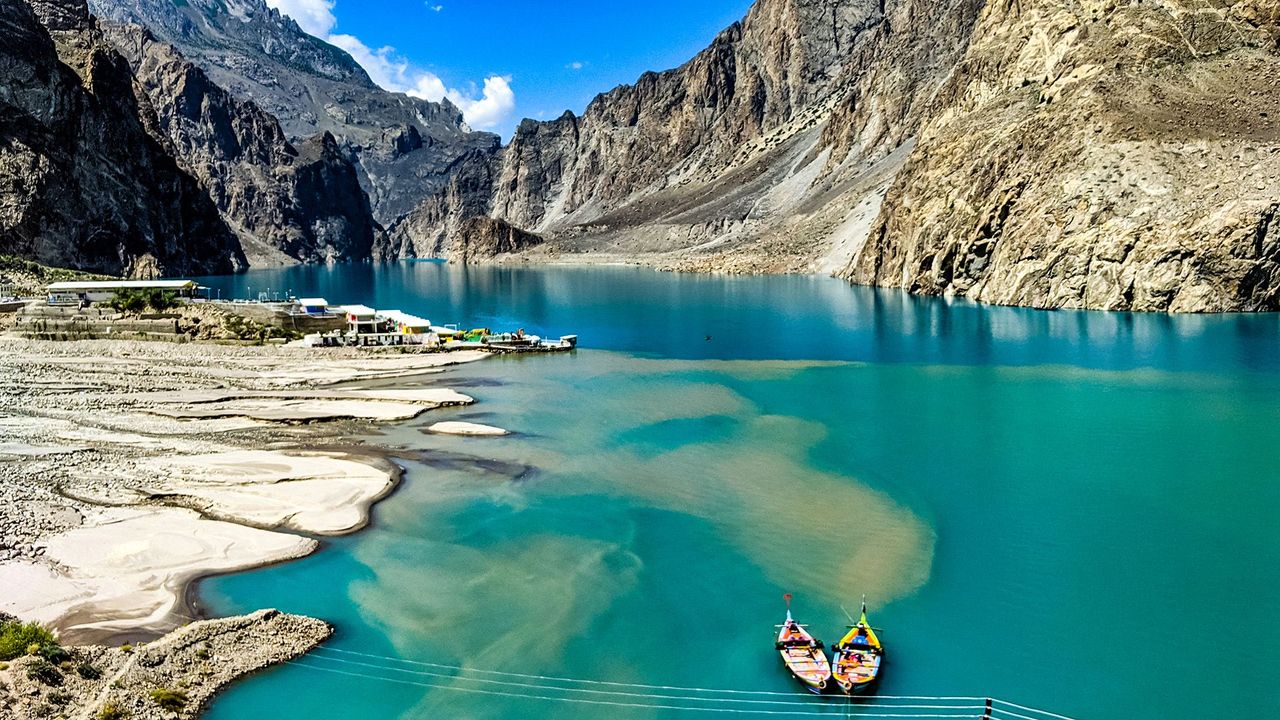
Pakistan is the kind of country that solves one travel question by immediately creating several more. A traveler who has been to Hunza comes back wondering about Skardu. Someone who has done the Lahore food trail comes back asking about Peshawar. A person who spent a week in the Kaghan Valley leaves thinking about Chitral and the Kalash. The country is large enough, varied enough, and layered enough that a single trip, no matter how well planned, only ever covers a fraction of what is genuinely worth experiencing.
This guide is for the traveler who has already decided to go to Pakistan, or who has been before and wants to know what comes next, and who needs a trusted framework for deciding where to put their time and attention. It covers the best destinations for first-time visitors taking their first real Pakistan tour, the hidden gems that reward travelers on their second or third trip, the historic cities that carry the deepest layers of human civilization in the country, the mountain and nature destinations that draw back everyone who has ever stood in a northern valley and looked up, and the cultural immersion destinations that offer something more personal and more lasting than sightseeing.
Throughout, every destination is connected to the planning and logistics support that Perch Travels and Tours provides, so that knowing where to go next in Pakistan is only the first part of the answer and knowing how to get there, stay there, and experience it well is the second.
For the First-Time Pakistan Traveler: Where to Begin Your Pakistan Tour
A first Pakistan tour should accomplish three things simultaneously. It should deliver the visual impact that justifies the decision to come. It should introduce the human warmth and cultural depth of Pakistani people in a setting where that warmth is most naturally expressed. And it should be logistically manageable enough that the experience of the country is positive and confidence-building rather than overwhelming.
The route that most consistently achieves all three is an Islamabad-to-Hunza itinerary traveling north along the Karakoram Highway.
Islamabad
is the natural starting point for any Pakistan trip originating from international flights. The capital is clean, green, and relatively navigable, with a food scene that provides an excellent introduction to the breadth of Pakistani cooking. The Margalla Hills hiking trails are accessible from the city center and provide an immediate sense of Pakistan’s natural beauty without requiring any advance preparation. The Shah Faisal Mosque, the largest mosque in South Asia when it was built, is architecturally striking and freely open to visitors of all backgrounds.
From Islamabad, the recommended first-time Pakistan tour heads north. The drive along the Karakoram Highway passes through Abbottabad, Besham, and Chilas before arriving in Gilgit, the administrative capital of Gilgit-Baltistan. Each section of the road reveals something new about the country’s extraordinary geographic variety, moving from the green foothills north of Islamabad through the deep Indus Gorge, past the confluence of the Karakoram, Himalaya, and Hindu Kush ranges, and into the high mountain valleys of the north. Many travelers describe the Karakoram Highway drive as among the most visually sustained journeys they have ever taken.
Hunza Valley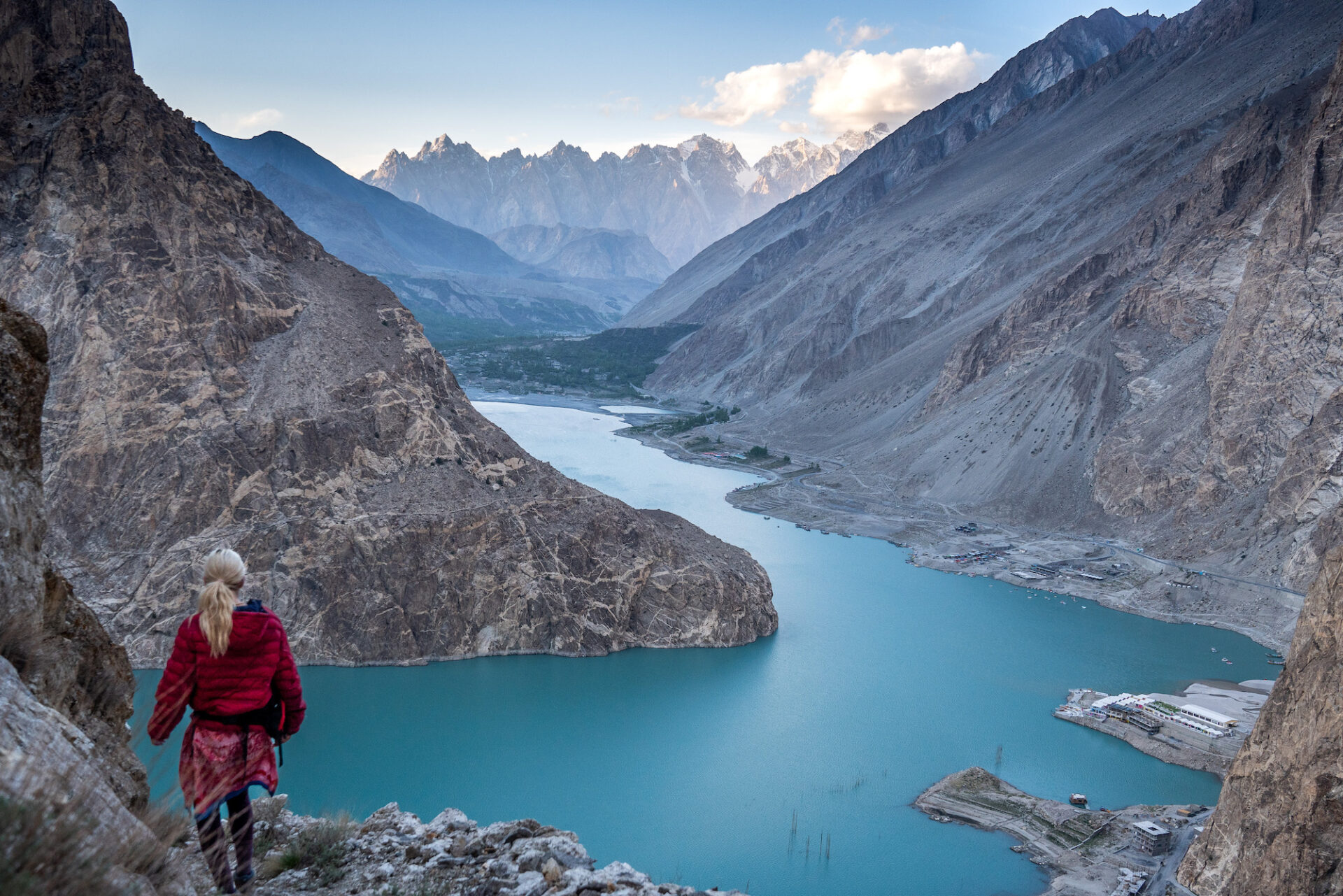 is where a first Pakistan tour reaches its emotional and visual peak. The valley is everything that Pakistan’s northern regions promise: ancient forts, apricot orchards, welcoming guesthouses with mountain views, and the extraordinary wall of peaks including Rakaposhi, Ultar Sar, and the distant shapes of the Karakoram giants that frame the sky above the valley on every clear day. Hunza is also the most socially comfortable introduction to Pakistan for international visitors because its Ismaili community is progressive, welcoming, and experienced with international guests.
A week to ten days covering Islamabad, the Karakoram Highway drive, Gilgit, and Hunza gives a first-time Pakistan traveler enough depth of experience to understand what the country offers without being compressed into a rushed highlights reel.
Hidden Gems in Pakistan: Where to Go on Your Second and Third Visit
The first Pakistan tour gets most travelers to Hunza, Lahore, and perhaps Skardu or Naran. The second and third trips are where the real hidden gems of Pakistan reveal themselves, and the country rewards returning travelers with a depth and variety of experience that consistently exceeds what they found the first time.
The Kalash Valleys, Chitral
The three Kalash valleys of Bumburet, Rumbur, and Birir in Chitral district are the most genuinely extraordinary hidden gem in Pakistan for travelers who have already done the main northern circuits. The Kalash people, a small indigenous community of a few thousand who maintain an ancient polytheistic religion, a distinct language, traditional dress, and a social structure that differs completely from the surrounding Muslim communities, represent a living cultural heritage that has no parallel anywhere in South Asia. Visiting the Kalash valleys, particularly during one of their three annual festivals, is an experience that places a traveler in contact with something genuinely ancient and genuinely alive. Chitral is accessible by a short domestic flight from Islamabad, and the onward road to Bumburet is a two-hour jeep drive from Chitral city.
Deosai Plateau, Gilgit-Baltistan
The Deosai Plateau is one of the highest plateaus in the world and one of the most spectacularly remote destinations in Pakistan. At an average elevation of over 4,000 meters, the plateau is a rolling, flower-covered wilderness where Himalayan Brown Bear, Golden Marmot, and Snow Leopard share a landscape of complete and extraordinary emptiness. Most visitors to Gilgit-Baltistan never make it to Deosai because it requires a dedicated jeep journey beyond Skardu, but those who do consistently rank it as one of the most unusual and affecting natural environments they have ever seen. The plateau is accessible in July and August when the snow clears from the access track.
Thar Desert and Tharparkar, Sindh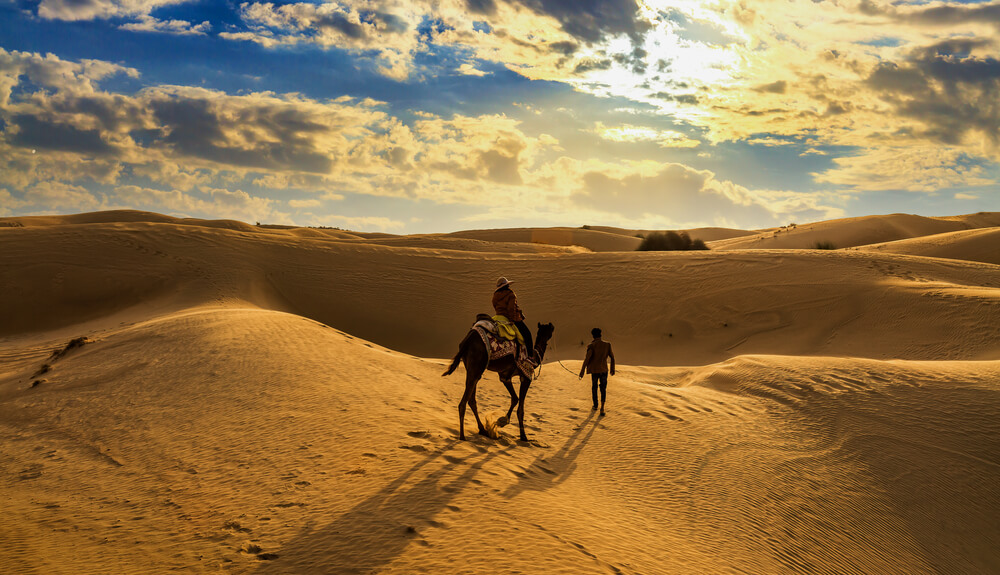
Tharparkar in the southern Sindh province is among the least visited destinations in Pakistan and among the most unexpectedly beautiful. The Thar Desert in this area is characterized not by the rolling sand dunes of Central Asian desert imagination but by a landscape of extraordinary social and cultural richness: ancient Hindu temples still in active use, scattered across a desert inhabited primarily by a Hindu community that has maintained its religious and cultural identity alongside the Muslim majority for centuries. Brightly painted mud houses with intricate decorative work, camel herders, and a flat desert horizon that glows at sunset with an intensity of color that photographers find irresistible make Tharparkar one of the most rewarding hidden gems in the entire country for travelers interested in cultural depth rather than mountain scenery.
Gorakh Hill Station, Balochistan.jpg)
Gorakh Hill Station in Balochistan’s Dadu district is one of Pakistan’s most dramatic and least visited highland destinations. Sitting atop a plateau at nearly 1,800 meters with views that extend across the Sindh plains to the east and the Kirthar range to the west, Gorakh rewards early risers with the phenomenon of standing above the clouds at dawn as the valley mist settles below the plateau rim. The road to Gorakh is challenging and requires a 4×4, which both limits visitor numbers and preserves exactly the quality of undiscovered solitude that makes the destination worthwhile.
Moola Chotok, Balochistan
Moola Chotok near Khuzdar in Balochistan is one of Pakistan’s most visually surprising hidden gems: a waterfall and gorge complex where the Moola River cuts through limestone cliffs to create a series of turquoise pools that exist in complete contrast to the surrounding arid landscape. The combination of the brilliant water color, the smooth limestone walls of the gorge, and the silence of the location creates a setting that photographs have made increasingly popular among domestic travelers but that remains genuinely uncrowded by international standards.
Makran Coastal Highway
The Makran Coastal Highway running from Hub near Karachi to Gwadar near the Iranian border is one of the great road journeys in Asia and one that almost no international traveler has taken. Hingol National Park with its Princess of Hope rock formation, Kund Malir Beach, the Ormara headland, and the fishing villages of the Makran Coast together constitute a coastal experience of complete originality that belongs on every serious Pakistan traveler’s list.
Historic Cities in Pakistan: The Deepest Layers of Human Civilization
Pakistan sits on some of the oldest continuously inhabited land in the world, and its historic cities carry archaeological and architectural layers that stretch from the Indus Valley Civilization through Greek, Buddhist, Mughal, and British Colonial periods in a compressed and extraordinarily rich sequence.
Lahore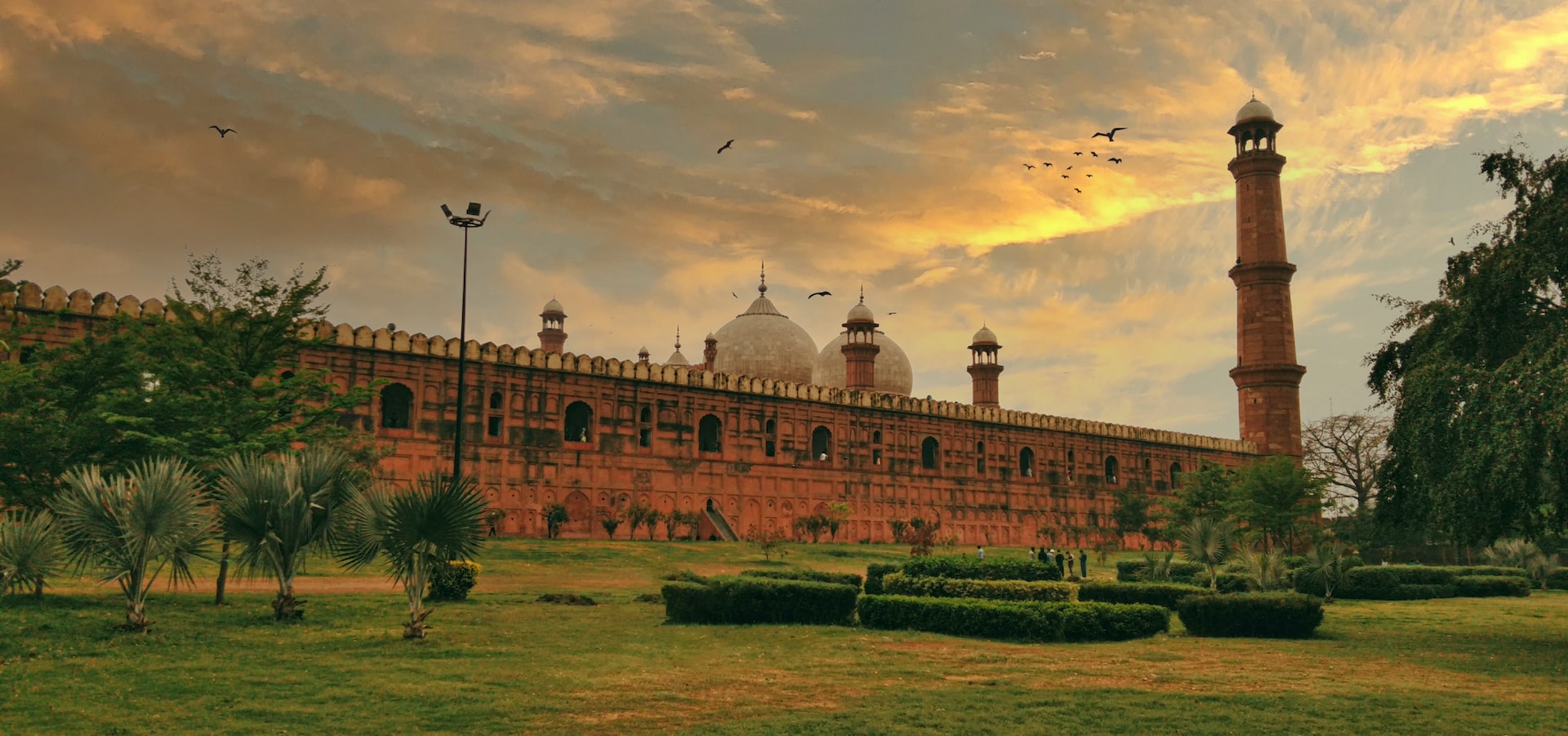
Lahore is the most important historic city in Pakistan and one of the most historically layered cities in all of South Asia. The Lahore Fort, which contains structures from the earliest Mughal period through the Sikh Empire, represents five centuries of continuous royal construction in a single complex. The Badshahi Mosque, completed in 1673, was the largest mosque in the world for over 300 years and remains one of the most architecturally refined buildings in the country. The Shalimar Gardens, designed under Shah Jahan in 1641, are a rare surviving example of a Mughal imperial garden in near-original condition. The walled city of Lahore, entered through the Delhi Gate or the Lahore Gate, contains a density of mosques, havelis, bazaars, and shrines that requires multiple days to begin to understand.
Lahore is also the center of Pakistani music, literature, and art, and its cultural scene remains as active as its historical heritage. An evening at Data Darbar shrine during the Thursday night devotional music gathering is one of the most singular experiences available in any city in the world.
Multan
Multan is the oldest city in Pakistan and one of the oldest continuously inhabited cities in the world, with a recorded history stretching back over 3,500 years. Known as the City of Shrines, Multan contains a concentration of Sufi tombs and dargahs that constitutes the richest single collection of Sufi spiritual architecture in Pakistan. The tombs of Shah Rukn-e-Alam and Shah Shams Tabrez are architectural masterpieces of the Multan tile-work tradition, decorated with the vivid blue, white, and turquoise glazed ceramics that define the city’s visual identity. Multan is significantly less visited by international travelers than Lahore despite being equally rewarding, which makes it the most accessible and most underrated historic city in Pakistan for travelers looking for depth without crowds.
Peshawar
Peshawar is the oldest living city in South Asia and one of the most atmospheric. The Qissa Khawani Bazaar, the Street of Storytellers, has been the commercial and social heart of the city for centuries and remains today a corridor of extraordinary sensory richness where kebab smoke, spice merchants, textile dealers, and the continuous traffic of Pashtun men in traditional dress create an environment that feels completely original. The Peshawar Museum holds one of the finest collections of Gandharan Buddhist sculpture in the world, assembled from archaeological sites across the surrounding Khyber Pakhtunkhwa region. The Bala Hisar Fort, whose walls have been rebuilt and maintained continuously since the Kushan Empire, is one of the most historically significant fortifications in Pakistan.
Mohenjo-daro, Sindh
Mohenjo-daro is one of the most important archaeological sites in the world: a planned city built by the Indus Valley Civilization approximately 4,500 years ago that demonstrates a level of urban infrastructure, including grid-pattern streets, brick drainage systems, and standardized weights and measures, that was not matched in the Western world for another two thousand years. The site is located near Larkana in Sindh and is UNESCO World Heritage listed. Visiting Mohenjo-daro is one of the most intellectually profound experiences available in Pakistan, placing the traveler in a city that predates the Egyptian pyramids and reveals the extraordinary sophistication of South Asian civilization at its earliest recorded point.
Taxila, Khyber Pakhtunkhwa
Taxila, located just outside Islamabad, is the most accessible of Pakistan’s great archaeological sites and one of the most important centers of Gandharan Buddhist culture in the world. The ruins at Taxila span several distinct cities built over a period of more than a thousand years, from the Achaemenid Persian period through the Mauryan, Greek Bactrian, Kushan, and Gupta periods. The Taxila Museum holds a collection of Buddhist sculpture, everyday objects, and coins that traces the remarkable intersection of Indian, Greek, Persian, and Central Asian cultures that made the Gandharan civilization one of the most cosmopolitan in the ancient world.
Mountain and Nature Destinations for Your Next Trip to Pakistan
For travelers whose primary motivation is landscape and natural environment, Pakistan’s mountain regions offer a range and quality of destination that requires its own dedicated section in any comprehensive travel guide.
Skardu and the Baltoro Glacier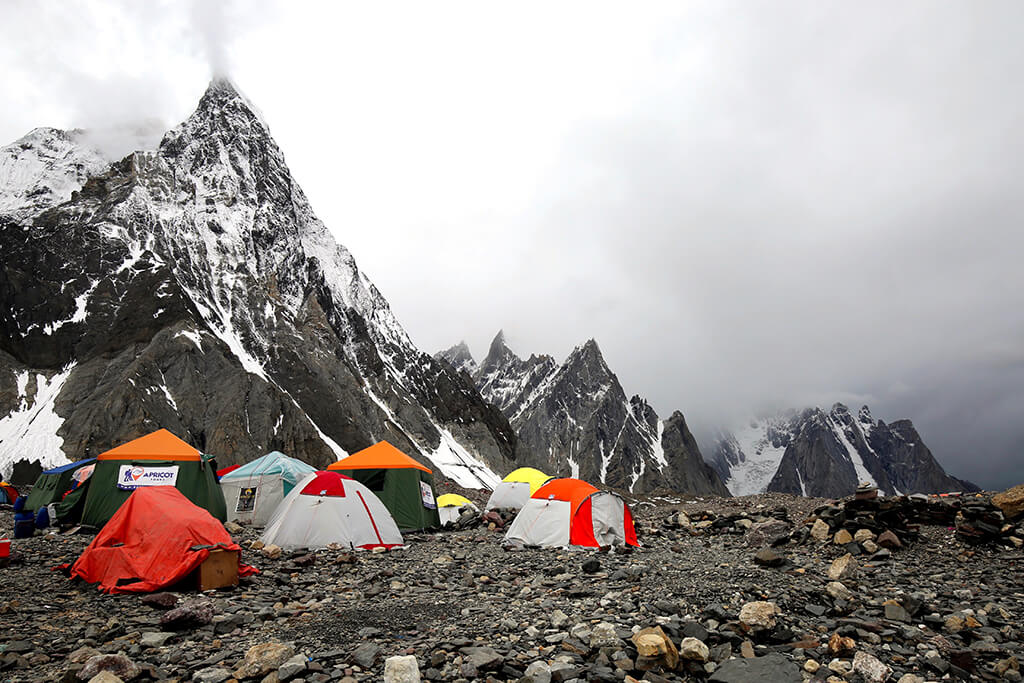
Skardu is the base camp for the most ambitious trekking routes in Pakistan, including the approach to K2, the world’s second highest mountain, via the Baltoro Glacier. The Baltoro route is the most celebrated mountain journey in the country and one of the most celebrated in the world, passing through a landscape where four of the world’s fourteen eight-thousanders are visible simultaneously from the convergence point at Concordia. Skardu itself is a worthwhile destination independent of trekking: Shangrila Lake, the ancient Kharpocho Fort, and the wide valley floor with its apricot orchards and cold desert character make it a place that rewards slower, non-trekking visits as well.
Naran, Kaghan Valley, and Lake Saif ul Malook
The Kaghan Valley in Khyber Pakhtunkhwa is the most accessible mountain destination in Pakistan and the most visited by domestic travelers precisely because it delivers extraordinary natural scenery within a few hours of Islamabad. Lake Saif ul Malook, a high-altitude glacial lake named after a character in a famous Punjabi romance poem, is the most iconic single image of Pakistan’s mountain lake landscape. The Lalazar Plateau above Naran is a high meadow with views of the surrounding peaks and wildflowers in summer that make it one of the most photographed landscapes in the country. The Kunhar River running through the valley offers white water rafting and fishing opportunities that extend the active appeal of the destination beyond sightseeing.
Naltar Valley
Naltar Valley near Gilgit is one of the most beautiful and least visited accessible valleys in Gilgit-Baltistan. In summer it is a landscape of pine forests and mountain meadows with three lakes of different colors, the Naltar Lakes, that sit at high altitude in a setting of complete quiet and extraordinary visual drama. In winter it becomes Pakistan’s most serious skiing destination, with higher elevation and better snow conditions than Malam Jabba and a Karakoram backdrop that no ski resort in Pakistan or Central Asia can match.
Planning Your Next Trip to Pakistan with Perch Travels and Tours
Deciding where to go next in Pakistan is the creative part of planning a Pakistan trip. The logistical part, getting there, staying well, moving between destinations efficiently, and accessing the experiences that make each place genuinely rewarding, requires local knowledge and ground relationships that most international travelers do not have on their first or second visit.
Perch Travels and Tours is a full-service travel and experiences company based in Islamabad, rooted in Hunza Valley and with operational connections across every destination covered in this guide. Their approach to planning a trip to Pakistan begins with understanding the traveler’s specific interests, their available time, their previous Pakistan experience if any, their preferred pace of travel, and the type of experience they are most motivated by. From that conversation, they build an itinerary that sequences destinations logically, allocates time appropriately, and builds in the access points that convert a trip from a checklist of places visited into a genuine encounter with the country.
Their Nomad Living Pakistan service places travelers in vetted community homestays with local families in Hunza, Chitral, Skardu, Swat, Tharparkar, Makran Coast, and Azad Kashmir, providing the cultural access and human warmth that no hotel stay can replicate. Their Taste and Tradition service creates food and craft encounters in Lahore, Peshawar, Karachi, and Hunza that are the most direct available entry point into Pakistani culture. Their Inner Journey service facilitates Sufi shrine visits, Buddhist monastery experiences, and spiritual travel across Pakistan’s most profound religious and cultural sites.
Their Transportation Services provide professional drivers in appropriate vehicles for every type of Pakistani terrain, from the mountain 4×4 routes of Gilgit-Baltistan to the desert tracks of Tharparkar. Their Flight Services handle domestic and international bookings at the best available fares with the advance planning that prevents the last-minute price spikes that cost independent travelers significantly on the high-demand northern routes.
For travelers who are at the planning stage and need a travel guide that goes beyond destination lists into actual itinerary construction, Perch provides the kind of recommendation and sequencing advice that comes from years of operating across the full geography of Pakistan. Every destination in this guide, from Mohenjo-daro to Gorakh Hill Station, is within their operational range, and every type of traveler described, from first-timers to returning explorers of hidden gems, is a traveler they have planned for and delivered for consistently.
Perch Travels and Tours holds a 5.0 Google rating from over 24 verified clients and has served travelers from Pakistan, the UAE, the UK, Germany, the United States, and Australia since their founding in 2024.
Contact Perch Travels and Tours at contactus@perchtravelsandtours.com or visit perchtravelsandtours.com to plan your next trip to Pakistan.
Frequently Asked Questions About Where to Go in Pakistan
What is the best destination for a first Pakistan tour?
The best destination for a first Pakistan tour is the Islamabad to Hunza Valley route via the Karakoram Highway. This itinerary delivers the visual impact that justifies traveling to Pakistan, the cultural warmth that surprises most first-time visitors through the welcoming Ismaili communities of the north, and a logistical structure that is manageable for travelers who have not yet developed their Pakistan travel confidence. The Karakoram Highway drive itself is one of the most sustained and varied mountain road journeys in the world. Hunza Valley provides the combination of extraordinary landscape, comfortable guesthouse accommodation, and genuine community access that makes it the most rewarding single destination for a new Pakistan traveler. A week to ten days on this route is the most reliable introduction to what makes Pakistan genuinely extraordinary. Perch Travels and Tours designs first-time Pakistan tour itineraries built around this core route with appropriate additions based on the individual traveler’s interests and available time.
What are the best hidden gems in Pakistan for experienced travelers?
The best hidden gems in Pakistan for travelers who have already visited the main northern circuits are the Kalash Valleys of Chitral for their unique indigenous culture, the Deosai Plateau for its high-altitude wilderness and Himalayan Brown Bear population, Tharparkar in Sindh for its desert landscape, ancient Hindu temples, and living tribal culture, Gorakh Hill Station in Balochistan for its dramatic cloud-level plateau views, Moola Chotok for its unexpected turquoise gorge pools in an arid landscape, and the Makran Coastal Highway for the extraordinary desert-meets-sea coastal road journey that almost no international traveler has taken. All of these destinations require more specific planning than the standard northern mountain routes, and Perch Travels and Tours provides the ground relationships, vehicle arrangements, and local guide connections that make them practically accessible rather than theoretically interesting.
Which historic cities in Pakistan should be on every traveler’s list?
Every serious traveler’s Pakistan itinerary should include Lahore for its concentration of Mughal architecture, Sufi shrine culture, and living cultural scene, Multan for its extraordinary collection of Sufi tombs and centuries-old glazed tile architecture, Peshawar for its Qissa Khawani Bazaar and Gandharan Buddhist museum, and Mohenjo-daro in Sindh for its encounter with the Indus Valley Civilization at one of the most important and least crowded archaeological sites in the world. Taxila near Islamabad is the most accessible of these historic destinations and the best starting point for travelers interested in the Gandharan Buddhist tradition. A Pakistan travel itinerary that combines the northern mountain regions with at least one of these historic cities produces a far more complete picture of the country than a mountain-only trip.
How does Perch Travels and Tours help travelers decide where to go next in Pakistan?
Perch Travels and Tours approaches the question of where to go next in Pakistan through a detailed initial consultation that establishes the traveler’s previous Pakistan experience, their primary interests, their available time and budget, their preferred travel pace, and the type of experience they are most motivated by. From that conversation, they build a recommended destination sequence that is both logistically efficient and experientially coherent, ensuring that the destinations chosen connect with each other meaningfully rather than being an arbitrary list of popular places. For returning travelers specifically, Perch’s deep knowledge of Pakistan’s hidden gems and off-circuit destinations, from the Kalash valleys to the Thar Desert to the Makran Coast, means that second and third trip recommendations draw on genuine operational experience rather than generic destination lists. Contact Perch Travels and Tours at contactus@perchtravelsandtours.com or visit perchtravelsandtours.com to begin planning your next trip to Pakistan.