
Pakistan Budget Travel Guide 2026: How to Travel One of the World’s Best Value Destinations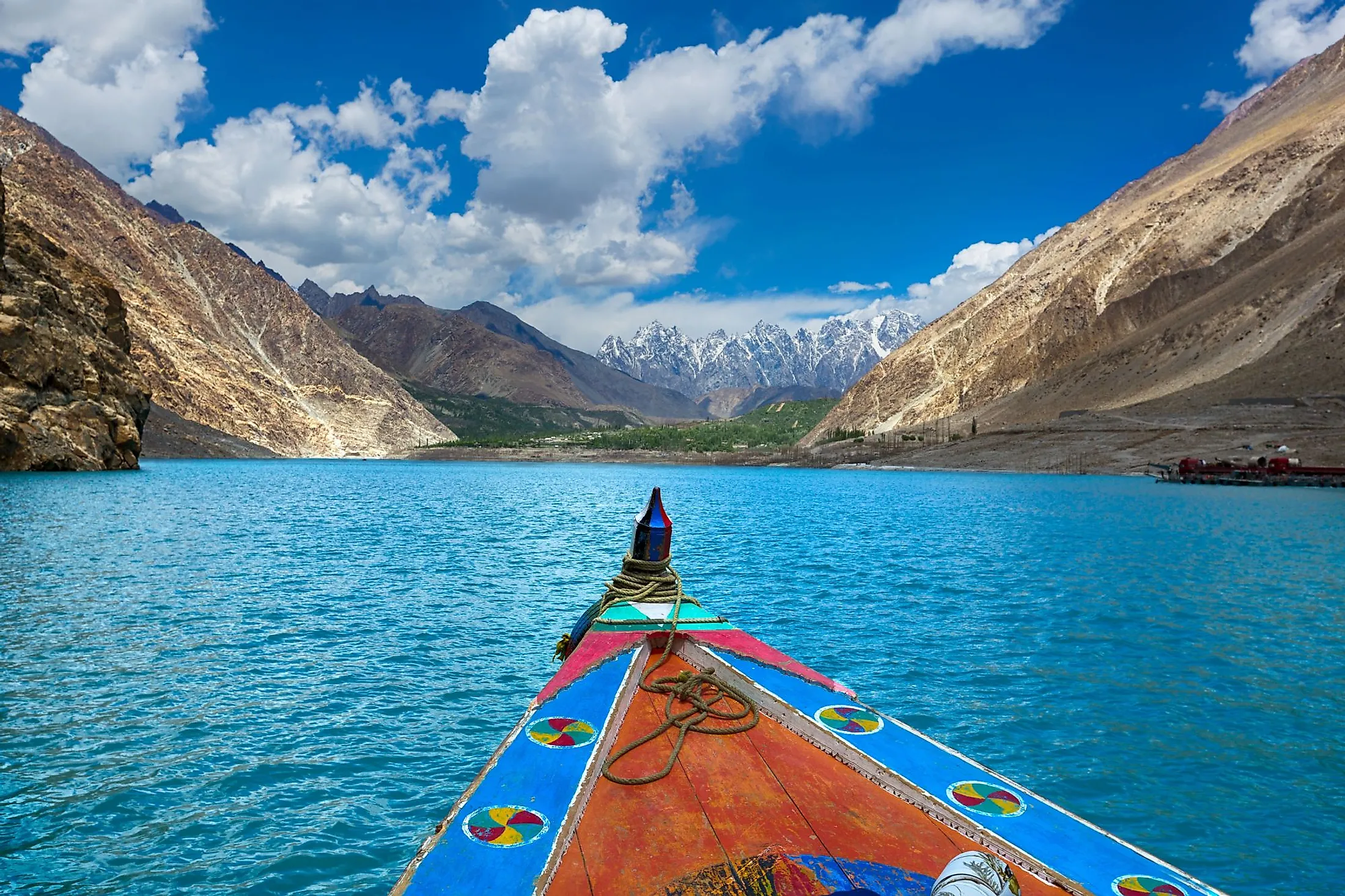
Here is the truth that experienced budget travelers already know and that most first-time visitors to Pakistan discover only after arriving: Pakistan is one of the best value travel destinations on earth. The exchange rate works dramatically in favor of visitors paying in dollars, pounds, euros, or dirhams. The food is excellent at every price point, with some of the most satisfying meals available anywhere costing less than a dollar. Accommodation ranges from genuinely good guesthouses at very low nightly rates to comfortable mid-range properties that cost a fraction of what the equivalent would in Southeast Asia. And the country’s most extraordinary experiences, the mountain landscapes of Gilgit-Baltistan, the living culture of the Kalash valleys, the Mughal heritage of Lahore, and the Baloch coast, are accessible without the entry fees, tourist infrastructure charges, and inflated pricing that characterize better-known destinations.
This Pakistan budget travel guide for 2026 covers everything a traveler needs to know to plan a well-managed, genuinely enriching trip to Pakistan without overspending. It includes a realistic daily budget breakdown, transport costs and options, accommodation choices at every price point, food costs and where to eat well for very little, the best budget destinations across the country, money-saving strategies that experienced Pakistan travelers use consistently, and how Perch Travels and Tours supports budget travelers with budget guided tours and planning services that deliver value without compromising the quality of the experience.
Why Pakistan Is the Smartest Budget Travel Decision of 2026
The case for Pakistan as a budget travel destination in 2026 rests on several factors that are specific to this moment.
The Pakistani rupee has experienced significant depreciation against major international currencies over the past several years, and the resulting exchange rate means that visitors from the UK, US, Europe, Australia, and the Gulf are receiving between 270 and 300 rupees per dollar at current rates, a purchasing power advantage that stretches every travel budget significantly further than it would go even five years ago.
At the same time, Pakistan’s tourism infrastructure has matured considerably. The guesthouses, guides, and transport services that serve visitors in the northern mountain regions have improved in quality while remaining priced for a domestic market, which means international visitors get a genuine quality-to-price ratio that is difficult to find elsewhere. A clean, comfortable guesthouse room with mountain views in Hunza Valley costs between 3,000 and 8,000 rupees per night, which at current exchange rates translates to roughly 10 to 28 US dollars. A full karahi meal for two at a good Islamabad restaurant costs between 1,500 and 3,000 rupees, or 5 to 11 dollars. A domestic flight from Islamabad to Skardu on Pakistan International Airlines costs between 8,000 and 25,000 rupees depending on booking timing, or 28 to 90 dollars.
These numbers make Pakistan not just affordable but actively cheap by the standards of international travel in 2026, and the quality of what those prices buy is substantially higher than the equivalent in most comparable budget destinations in Asia.
Pakistan Budget Travel: Daily Cost Breakdown for 2026
Understanding what a day of travel in Pakistan actually costs requires separating the trip into its component parts: accommodation, food, transport, activities, and incidentals. The figures below reflect realistic costs in 2026 for a traveler who is managing their budget actively without sacrificing the core experiences that make Pakistan worth visiting.
Budget Traveler: 3,000 to 8,000 PKR per day (10 to 28 USD)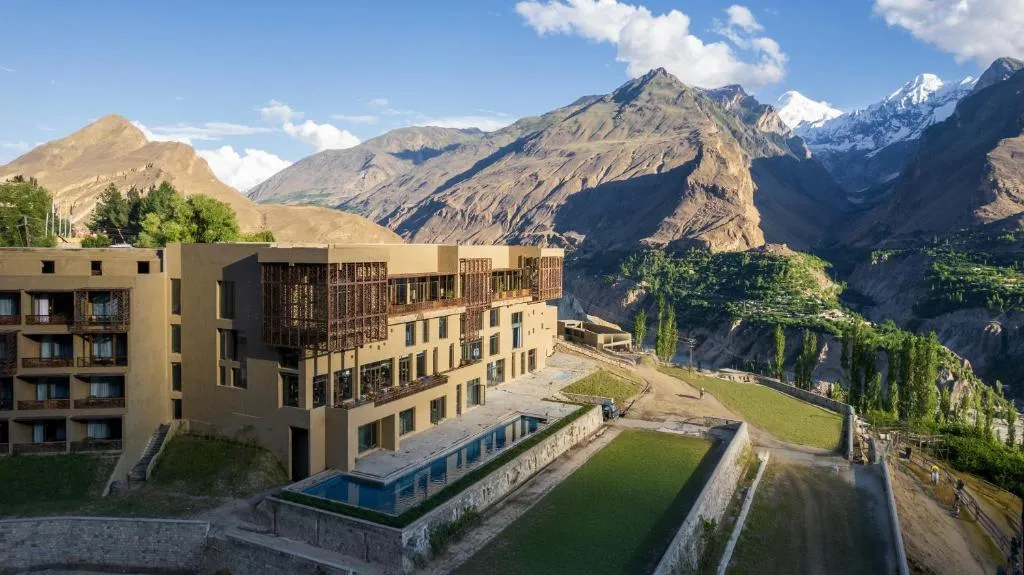
A budget traveler staying in dormitory guesthouses or the most basic private rooms, eating primarily from street food stalls and local restaurants, using public buses and shared jeeps for transport, and covering entrance fees to accessible natural sites can manage a full day in Pakistan on this range. This budget works comfortably in the northern regions where guesthouses are simple and food is inexpensive, and in smaller cities. It is tighter in Islamabad and Lahore where accommodation costs are higher.
Mid-Range Traveler: 10,000 to 25,000 PKR per day (35 to 90 USD)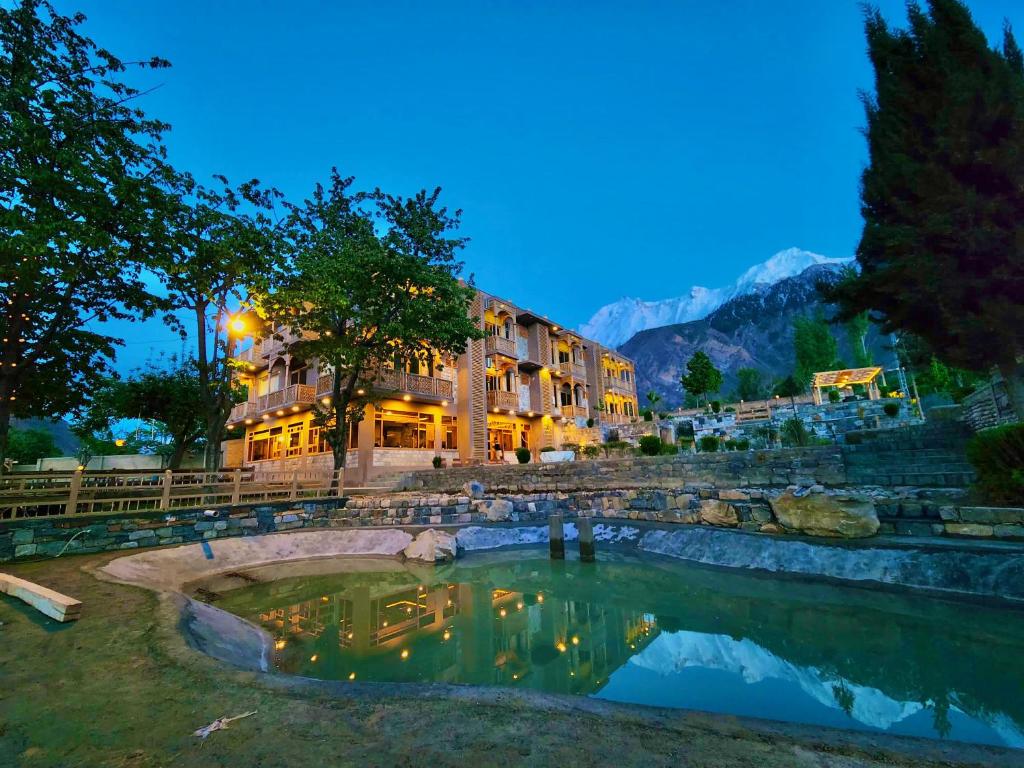
A mid-range traveler staying in private rooms at good guesthouses or budget hotels, eating at sit-down restaurants for most meals, using a combination of private transfers and domestic flights for longer distances, and engaging guides for trekking or cultural experiences can travel very comfortably across all of Pakistan on this daily budget. This is the range at which the experience becomes genuinely excellent rather than just adequate, and it represents extraordinary value by international standards.
Comfortable Traveler with Guided Tours: 25,000 to 60,000 PKR per day (90 to 215 USD)
A traveler who wants comfortable private rooms at the best available accommodation in each destination, private transportation throughout, professional guide support, and curated experiences including budget guided tours through a local operator can achieve all of this in Pakistan on a daily budget that would not cover a basic hotel room in London or New York. This is the price range within which Perch Travels and Tours delivers the full quality of a professionally managed Pakistan travel experience, and it remains a genuinely affordable proposition by the standards of international guided travel.
Getting to Pakistan: Flight Costs and Entry in 2026
International Flights

The major international gateway airports in Pakistan are Islamabad’s Benazir Bhutto International Airport, Lahore’s Allama Iqbal International Airport, and Karachi’s Jinnah International Airport. All three receive direct flights from the UAE, Saudi Arabia, Qatar, Turkey, the UK, and several other origins. The cheapest international fares to Pakistan are consistently found from the UAE, particularly Dubai and Abu Dhabi, where Emirates, flydubai, Air Arabia, and Pakistan International Airlines compete for a high-volume market. Return flights from Dubai to Islamabad can be found for under 200 USD with reasonable advance booking. From the UK, fares vary significantly by season and airline but good advance purchase fares are available from 350 to 500 GBP return through PIA, Turkish Airlines, and Gulf carriers.
Visa Requirements
Pakistan operates an online visa-on-arrival system for citizens of over 50 countries, including the UK, US, EU member states, Australia, Canada, and many Gulf countries. The e-visa application is processed online before travel and typically approved within 2 to 7 working days. The visa fee is modest and the process, while requiring documentation including a hotel booking or invitation letter, is straightforward for most international travelers. Perch Travels and Tours provides visa support documentation including booking confirmations and invitation letters as part of their planning service.
Domestic Flights
Pakistan’s domestic aviation network connects Islamabad with Gilgit, Skardu, Chitral, Turbat, Gwadar, Lahore, Karachi, Multan, and Peshawar through regular services operated primarily by Pakistan International Airlines and private carriers including Airblue and Serene Air. The most strategically important domestic routes for budget travelers are Islamabad to Gilgit, Islamabad to Skardu, and Islamabad to Chitral, all of which serve the northern mountain regions and save between 8 and 13 hours of road travel each way. These flights are priced accessibly and booking them in advance through a local operator like Perch Travels and Tours typically secures better fares than last-minute booking.
Budget Accommodation in Pakistan: Where to Stay for Less
Guesthouses in Northern Pakistan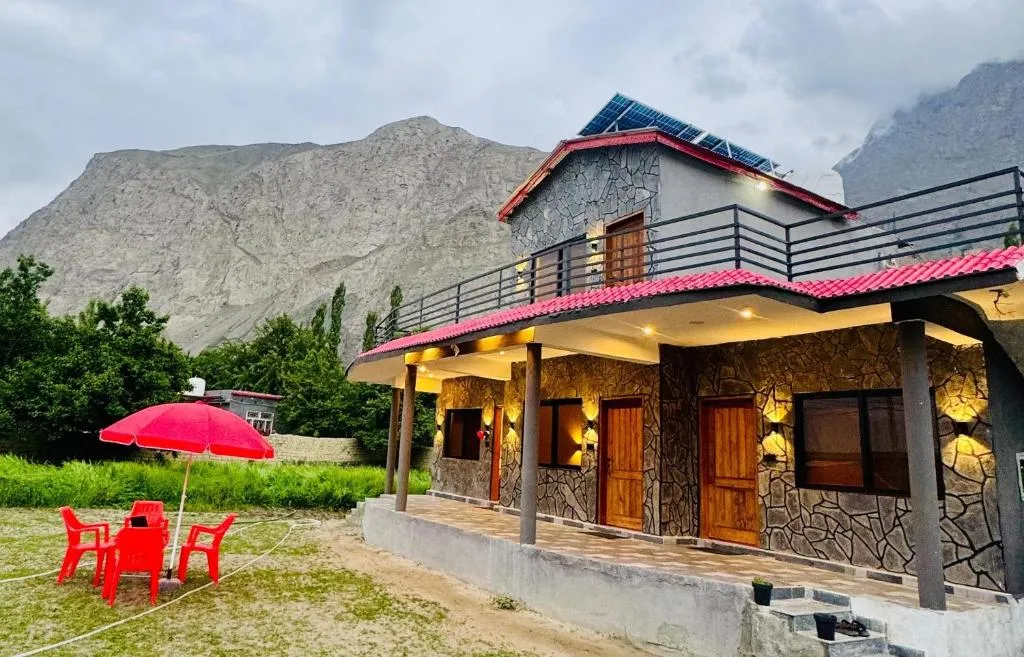
The guesthouse culture of Pakistan’s northern mountain regions, particularly in Hunza, Skardu, Gilgit, Naran, and Chitral, has developed over decades to serve the domestic and international trekking community. The best guesthouses in these areas offer clean private rooms, shared or private bathrooms, and home-cooked meals in settings that frequently have extraordinary mountain views. Prices range from 2,000 to 8,000 rupees per night for a private room depending on location, season, and the quality of the property.
The Hunza Valley guesthouses concentrated around Karimabad are among the most reliable in the north for the quality of their food, the warmth of their management, and the extraordinary views of Rakaposhi and the surrounding peaks that many of them offer from their rooftop terraces and dining areas.
Community Home stays
Community home stays represent the best value accommodation option in Pakistan for travelers who want both a low cost and a genuine cultural experience. Staying with a local family through a vetted arrangement costs between 2,000 and 5,000 rupees per night in most regions, typically including home-cooked meals, and provides the kind of direct human access to Pakistani life that no guesthouse or hotel can replicate.
Perch Travels and Tours’ Nomad Living Pakistan service offers vetted community homestays with local families in Hunza, Chitral, Skardu, Swat, Tharparkar, Makran Coast, and Azad Kashmir, with home-cooked meals, traditional craft demonstrations, folk music evenings, and access to valleys and communities beyond the standard tourist routes. For budget travelers, this service delivers both genuine value and an experience that is qualitatively superior to more expensive conventional accommodation.
City Hotels and Guesthouses
In Islamabad, Lahore, and Peshawar, budget accommodation ranges from guesthouses in residential areas at 3,000 to 7,000 rupees per night to mid-range business hotels at 8,000 to 20,000 rupees. The best budget value in Islamabad is typically found in the G-series and F-series residential sectors where family-run guesthouses occupy the mid-range of quality and price. In Lahore, the area around Liberty Market and Gulberg offers a good concentration of mid-range accommodation within reach of the city’s major cultural and food destinations.
Camping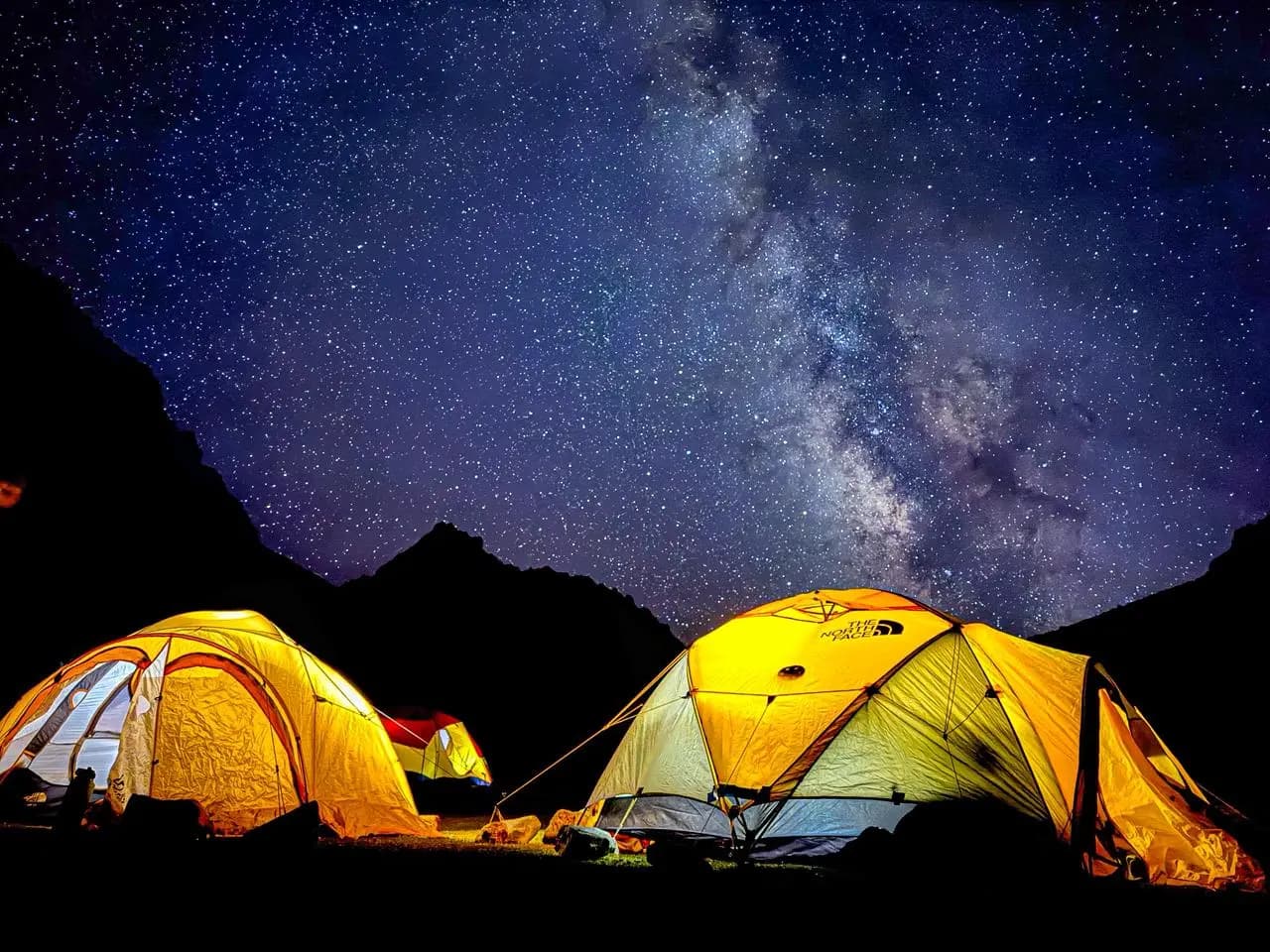
Pakistan’s mountain regions offer opportunities for free or very low-cost camping that experienced budget travelers use extensively to reduce accommodation costs on multi-day trekking routes. The Deosai Plateau, the approaches to Fairy Meadows, and numerous valley campsites in Gilgit-Baltistan allow camping with minimal or no fees. Camping requires appropriate gear for mountain temperatures and should be combined with guide support for safety and route knowledge on more remote trails.
Budget Food in Pakistan: Eating Exceptionally Well for Very Little
Food in Pakistan is one of the most remarkable budget travel advantages of any destination in Asia. The quality of Pakistan’s food at the lowest price points is genuinely high, and the gap between expensive restaurant dining and street food stall eating in terms of experience is much smaller in Pakistan than in most comparable destinations.
Street Food Costs
A plate of gol gappay from a street cart costs between 50 and 150 rupees. A bun kebab costs between 100 and 200 rupees. A full breakfast of halwa puri with chana at a market stall runs between 200 and 500 rupees. A seekh kebab roll from a tandoor stand costs between 100 and 300 rupees. A glass of sugarcane juice is between 50 and 100 rupees. A cup of tea at a dhaba costs between 30 and 80 rupees.
These prices mean that a full day of eating from Pakistan’s famous street food culture costs between 500 and 1,500 rupees in most cities, or roughly 1.75 to 5.50 US dollars. This is not eating poorly. Pakistan’s street food is genuinely excellent, and the dhaba culture of small, simple roadside restaurants serving fresh, hot food costs only marginally more and provides a sit-down experience with equally good food.
Restaurant Costs
A full karahi for two at a quality sit-down restaurant in Islamabad or Lahore costs between 1,500 and 4,000 rupees. A full meal at one of Islamabad’s mid-range restaurants, including a meat dish, bread, raita, and drinks, costs between 2,000 and 6,000 rupees for two people. Even at the upper end of this range, the cost per person is under 12 US dollars for a genuinely good restaurant meal.
Food in the Northern Regions
In the mountain valleys of Gilgit-Baltistan and Chitral, food at guesthouses is typically included in the room rate or charged separately at very reasonable prices. A full breakfast and dinner at a Hunza Valley guesthouse typically costs between 800 and 2,000 rupees per person. The food is simple, home-cooked, and made from local ingredients including apricots, walnuts, dried fruits, and freshly baked flatbreads that are specific to the region and unavailable elsewhere.
Budget Transport Within Pakistan
Public Buses
Pakistan’s intercity bus network covers the country extensively and at very low prices. The Daewoo Express and other comfortable bus services run between Islamabad, Lahore, Peshawar, Multan, and Karachi with reclining seats, air conditioning, and reliable schedules at fares ranging from 1,500 to 5,000 rupees depending on distance and service class. These are genuine budget options that many domestic travelers use as their primary intercity transport and that international budget travelers find comfortable and practical for the main city-to-city routes.
Shared Jeeps and Wagons
In the northern mountain regions, shared jeeps and wagons operate between valley towns and mountain trailheads as the primary local transport. These run on set routes for fixed fares that are very low by any standard: a shared jeep ride between Gilgit and Karimabad in Hunza, for example, costs between 500 and 1,000 rupees per person. These vehicles are the authentic way to move through the northern regions and the experience of sharing a jeep with local families, herders, and other travelers on a mountain road is itself a genuine part of the Pakistan travel experience.
Private Transport and Chartered Vehicles
Private chartered transport, which Perch Travels and Tours arranges for clients who want more flexibility and comfort than shared vehicles provide, costs more than public options but remains very affordable by international standards. A full-day private 4×4 charter with a professional driver in Gilgit-Baltistan costs between 15,000 and 30,000 rupees depending on the route and vehicle type, which across a group of two to four travelers divides to a very reasonable per-person cost and eliminates the waiting, scheduling, and uncertainty of shared transport in remote areas.
Domestic Flights for Budget Efficiency
While flights cost more than ground transport, the time-to-cost ratio makes them budget-efficient for the northern routes. A flight from Islamabad to Skardu saving 16 hours of road travel costs between 8,000 and 25,000 rupees, and the road travel it replaces requires private transport anyway given the route’s terrain. For budget travelers whose time is limited, domestic flights represent a logical investment rather than a luxury.
Best Budget Destinations in Pakistan for 2026
Naran and Kaghan Valley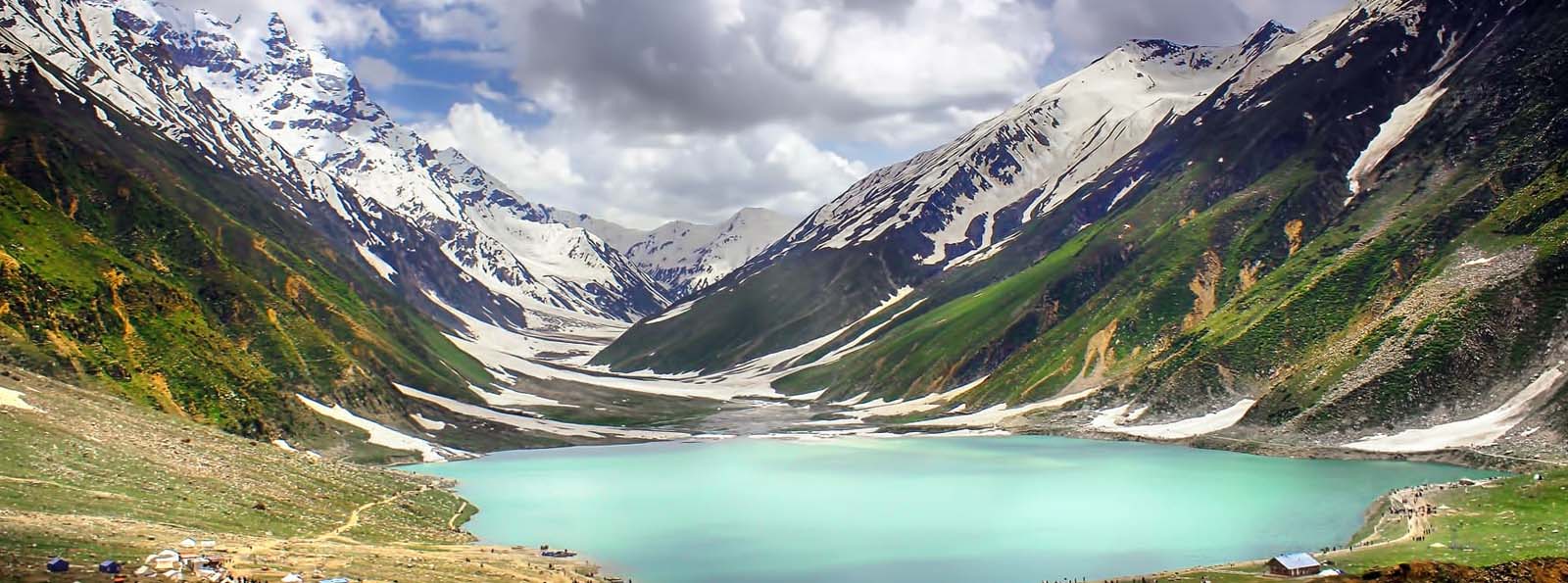
Naran and the Kaghan Valley in Khyber Pakhtunkhwa offer some of Pakistan’s most dramatic natural scenery at some of its most accessible price points. The journey from Islamabad takes roughly four to five hours by road and passes through a valley of increasing visual drama. Accommodation in Naran ranges from very basic guesthouses at 2,000 to 4,000 rupees per night to more comfortable options at 6,000 to 12,000 rupees. The attractions, including Lake Saif ul Malook, Lalazar Plateau, and the Kunhar River, are accessible without entrance fees. This is one of the most popular domestic tourism destinations in Pakistan and as a result has the most developed budget infrastructure of any scenic destination in the country.
Swat Valley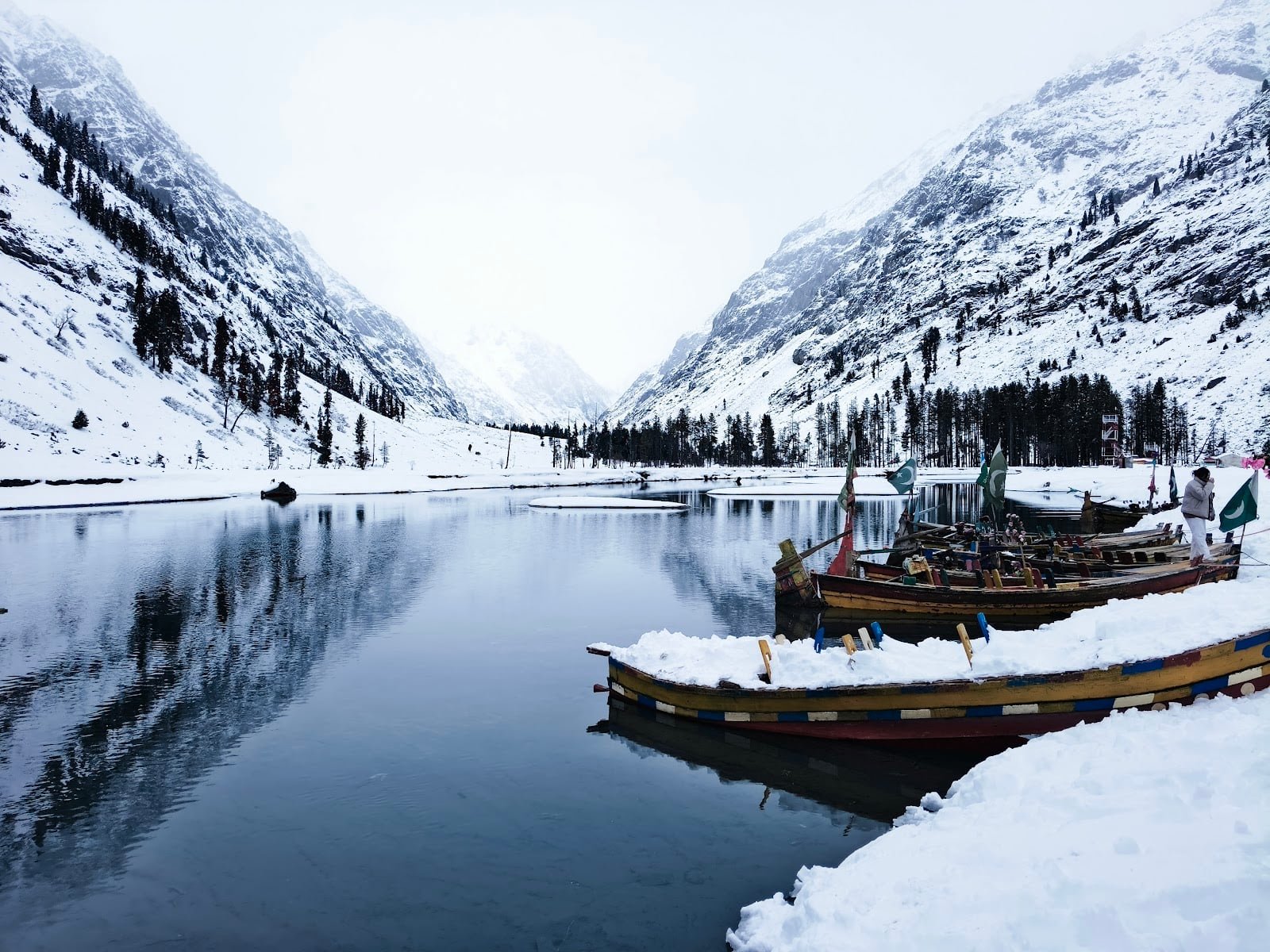
Swat Valley in Khyber Pakhtunkhwa is accessible, green, historically rich, and very affordable. The journey from Islamabad takes approximately four hours by road. Guesthouses in Kalam, the main hub for upper Swat, cost between 2,000 and 6,000 rupees per night for a clean private room. The Buddhist archaeological sites, the river, the mountain walking routes, and the extraordinarily beautiful upper valley are all accessible without significant expenditure. Swat represents the best combination of cultural depth, natural beauty, and budget accessibility of any destination in Pakistan.
Hunza Valley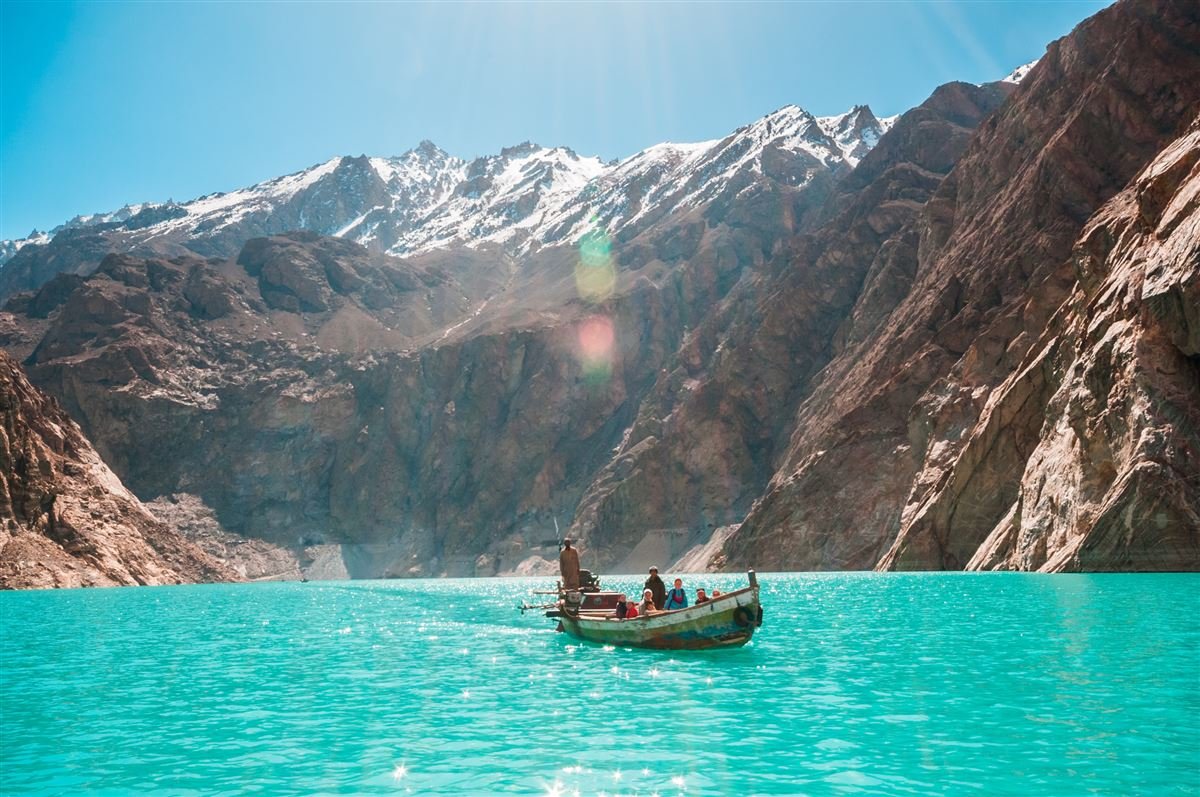
Despite being one of Pakistan’s most celebrated destinations, Hunza remains genuinely affordable for budget travelers. The Karakoram Highway is a public road that can be traveled by public transport, guesthouses in Karimabad cost between 3,000 and 8,000 rupees for a private room with mountain views, and the core experiences of the valley, walking through apricot and cherry orchards, visiting Baltit and Altit forts, watching the sunrise over Rakaposhi from a guesthouse terrace, are either free or very low cost. Hunza’s status as a budget destination is obscured by its extraordinary beauty but confirmed by every traveler who actually visits.
Lahore
Lahore is one of the cheapest major cultural cities in South Asia. The Mughal monuments including Badshahi Mosque, Lahore Fort, and the Shalimar Gardens all charge nominal entrance fees of between 200 and 500 rupees for international visitors. Street food in Lahore’s old city and Food Street is among the best and cheapest in the country. Budget accommodation in the Liberty Market and Gulberg areas is available from 4,000 rupees per night. Lahore rewards the budget traveler generously because the best things about the city, its food, its bazaars, its architecture, and its people, are all very affordable or entirely free to access.
Islamabad as a Budget Base
Islamabad functions as both a destination and a base for the rest of Pakistan, and its food, market, and natural attractions offer good budget value. The Margalla Hills hiking trails are free, the Shah Faisal Mosque is free to visit, and the city’s street food scene at Melody Market and Aabpara provides exceptional eating at very low cost. As a base for planning onward travel, Islamabad’s transport connections by air, road, and bus make it the most logical starting point for a Pakistan budget travel itinerary.
Money-Saving Strategies for Travel to Pakistan in 2026
Traveling well in Pakistan on a budget is less about finding the cheapest option for everything and more about knowing which compromises cost you something worth having and which compromises cost you nothing at all.
Booking domestic flights in advance through a local operator rather than last-minute through online platforms saves between 30 and 60 percent on the most popular routes, particularly Islamabad to Skardu and Islamabad to Gilgit, which fill early during the summer trekking season.
Traveling in the shoulder seasons, specifically late April to mid-June and September to mid-October, avoids the peak summer rush in the northern regions when guesthouses are most expensive and most crowded. Shoulder season prices for accommodation are typically 20 to 40 percent lower and the landscapes are often equally beautiful.
Eating where locals eat is the single most reliable way to reduce food costs without reducing food quality. The dhaba culture, the street stalls, and the small family restaurants that serve Pakistani families rather than tourist groups consistently produce better food at lower prices than the tourist-oriented restaurants in the same areas.
Staying in community homestays through a trusted operator rather than conventional guesthouses reduces accommodation costs while simultaneously producing the best human experience of any accommodation option in Pakistan.
Planning the transport sequence of a Pakistan itinerary in advance rather than arranging it as you go reduces costs significantly, particularly for 4×4 charters and domestic flights where last-minute booking is consistently more expensive.
How Perch Travels and Tours Supports Budget Travelers in Pakistan
Budget travel is sometimes assumed to be incompatible with using a professional travel operator, but this assumption misunderstands how the best Pakistan-focused operators actually work. Perch Travels and Tours builds itineraries across the full range of budgets, and for budget travelers specifically, their local knowledge and supplier relationships produce access and value that independent planning consistently fails to match.
Their Nomad Living Pakistan service is the most budget-friendly and experientially rich accommodation option available for international visitors, providing vetted community homestays with local families that cost less than conventional guesthouses while offering a qualitatively superior experience. Their transportation network secures the right vehicles at the right prices for each segment of a Pakistan itinerary, avoiding the inflated rates that inexperienced visitors often pay for ad hoc charter arrangements in the mountain regions. Their flight service books domestic tickets at the best available fares with the advance planning that prevents last-minute price spikes on high-demand routes.
For travelers who want the security, local knowledge, and cultural access that budget guided tours with a professional operator provide without paying the rates that luxury tour operators charge, Perch designs itineraries specifically calibrated to the budget presented. A Perch-managed Pakistan trip for a budget-conscious traveler is not a compromised version of a premium experience. It is a well-planned, well-executed journey that delivers the core of what makes Pakistan extraordinary, which is its landscapes, its people, and its food, at a price structure that respects the budget it has been given.
Perch Travels and Tours holds a 5.0 Google rating from over 24 verified clients and has served independent and budget-conscious travelers from Pakistan, the UAE, the UK, Germany, the US, and Australia since their founding in 2024. They are based in Islamabad with deep roots in Hunza Valley and operational knowledge across every region covered in this guide.
Contact Perch Travels and Tours at contactus@perchtravelsandtours.com or visit perchtravelsandtours.com to plan your Pakistan budget travel itinerary for 2026.
Frequently Asked Questions About Budget Travel to Pakistan in 2026
How much does it cost to travel Pakistan per day on a budget in 2026?
A genuine budget traveler in Pakistan can manage a full day of travel including accommodation, food, local transport, and basic activities on between 3,000 and 8,000 Pakistani rupees per day, which translates to roughly 10 to 28 US dollars at 2026 exchange rates. This budget covers a clean guesthouse room in most northern mountain destinations, three meals from street food stalls and small local restaurants, and shared transport between locations. Travelers who want private rooms at better-quality guesthouses, sit-down restaurant meals, and private transport for flexibility will spend between 10,000 and 25,000 rupees per day or 35 to 90 dollars, which still represents exceptional value by international travel standards. Budget guided tours arranged through a professional operator like Perch Travels and Tours fall comfortably within this mid-range and add logistical management, local knowledge, and cultural access that independent budget travel cannot reliably replicate.
What are the best budget destinations in Pakistan for 2026?
The best budget destinations in Pakistan for 2026 are Naran and Kaghan Valley for accessible mountain scenery with well-developed guesthouse infrastructure, Swat Valley for its combination of cultural depth, Buddhist heritage, and very affordable accommodation, Hunza Valley in Gilgit-Baltistan for its extraordinary mountain views at genuinely low cost despite its prestige as a destination, and Lahore for a major cultural city where the best experiences including Mughal monuments, bazaars, and street food are either free or nominally priced. Islamabad functions as the most practical base for beginning and ending a Pakistan itinerary and offers its own budget-friendly attractions including the Margalla Hills hiking trails and one of the country’s best and cheapest street food scenes. All of these destinations are available to budget travelers through Perch Travels and Tours as part of designed budget itineraries.
Is Pakistan safe for budget travelers in 2026?
Pakistan is significantly safer for budget travelers than its international reputation historically suggested, particularly in the destinations most commonly visited by independent travelers. The northern mountain regions of Gilgit-Baltistan and Khyber Pakhtunkhwa, including Hunza, Skardu, Chitral, Swat, and the Kaghan Valley, have excellent safety records and active communities of both domestic and international travelers. Islamabad and Lahore are functioning major capital cities with normal urban safety considerations. Budget travelers who apply standard travel sense, stay in established guesthouses, use reputable transport, share their itinerary with someone at home, and register their visit with their country’s foreign affairs department when recommended, travel safely and positively across most of Pakistan. Traveling with a reputable local operator like Perch Travels and Tours for the first visit provides an additional layer of safety through local knowledge, pre-arranged logistics, and on-ground support throughout the trip.
Can Perch Travels and Tours plan a budget trip to Pakistan, or do they only serve luxury travelers?
Perch Travels and Tours builds itineraries across the full spectrum of budgets and explicitly does not operate as a luxury-only operator. Their philosophy is that the quality of an experience is not determined by its price but by the access, preparation, and human connection it creates, and this philosophy is as applicable to a budget community home stay in Chitral as to a destination wedding on the Amalfi Coast. For budget travelers specifically, Perch’s Nomad Living Pakistan service provides the best value accommodation available to international visitors in the northern regions, their transport network secures fair prices through supplier relationships rather than tourist-rate ad hoc hiring, and their knowledge of the best low-cost food, free natural attractions, and budget-appropriate logistics prevents the expensive mistakes that independent planning in an unfamiliar country often produces. Budgets and priorities are discussed during the initial consultation and every itinerary is designed within the financial parameters the traveler presents.