
Lahore City Travel Guide 2026: The Most Culturally Complete City in Pakistan
There is a saying in Pakistan that captures something true and important about the country’s most complex and most rewarding city: “Jinnay Lahore nai vekhya, oh jamya nai,” which translates from Punjabi as “Whoever has not seen Lahore has not been born.” This is not empty civic pride. Lahore is the kind of city that produces genuine devotion in the people who have lived in it and genuine revelation in the travelers who visit it seriously, because it holds more human history, more architectural beauty, more culinary depth, and more cultural vitality per square kilometer than almost any other city in South Asia.
Lahore is Pakistan’s cultural capital in the fullest sense of that phrase. It is the city where Mughal architecture reached its highest expression in the Indian Subcontinent. It is the city where Sufi spiritual tradition has maintained its most vibrant public presence. It is the city whose food culture is so specifically developed and so regionally distinctive that visitors who think they know Pakistani cooking discover in Lahore that they knew only a fraction of it. And it is the city whose people, the Lahoris, are collectively regarded across Pakistan as the warmest, the most generous, and the most enthusiastic about sharing their city with anyone who arrives with genuine curiosity.
This Lahore city travel guide covers the complete picture: the major attractions and what makes each one genuinely worth your time, the historic areas that require more than a single day to begin to understand, the food culture that is the deepest in Pakistan, where to stay and how to get there, the cultural events and Sufi experiences that place Lahore in a category of its own, and how Perch Travels and Tours plans and manages Lahore visits for travelers who want genuine access to the city rather than a surface tour.
Why Lahore Pakistan Belongs at the Center of Any Pakistan Itinerary
Most international travelers who visit Pakistan orient their itinerary around the mountain north, which is understandable given the extraordinary nature of Hunza, Skardu, and the Karakoram. But experienced Pakistan travelers consistently make the same observation: the first visit to Pakistan is incomplete without Lahore, and the second visit is often planned around Lahore specifically.
The reason is that Lahore provides what the mountain regions, for all their extraordinary beauty, cannot. It provides the layered human civilization of a city that has been continuously inhabited for over a thousand years and that has served as a royal capital, a cultural center, a trading hub, and a spiritual home for communities across the full spectrum of the Subcontinent’s history. Walking through the walled city of Lahore is walking through the physical record of a civilization, and no amount of mountain scenery is a substitute for that specific type of experience.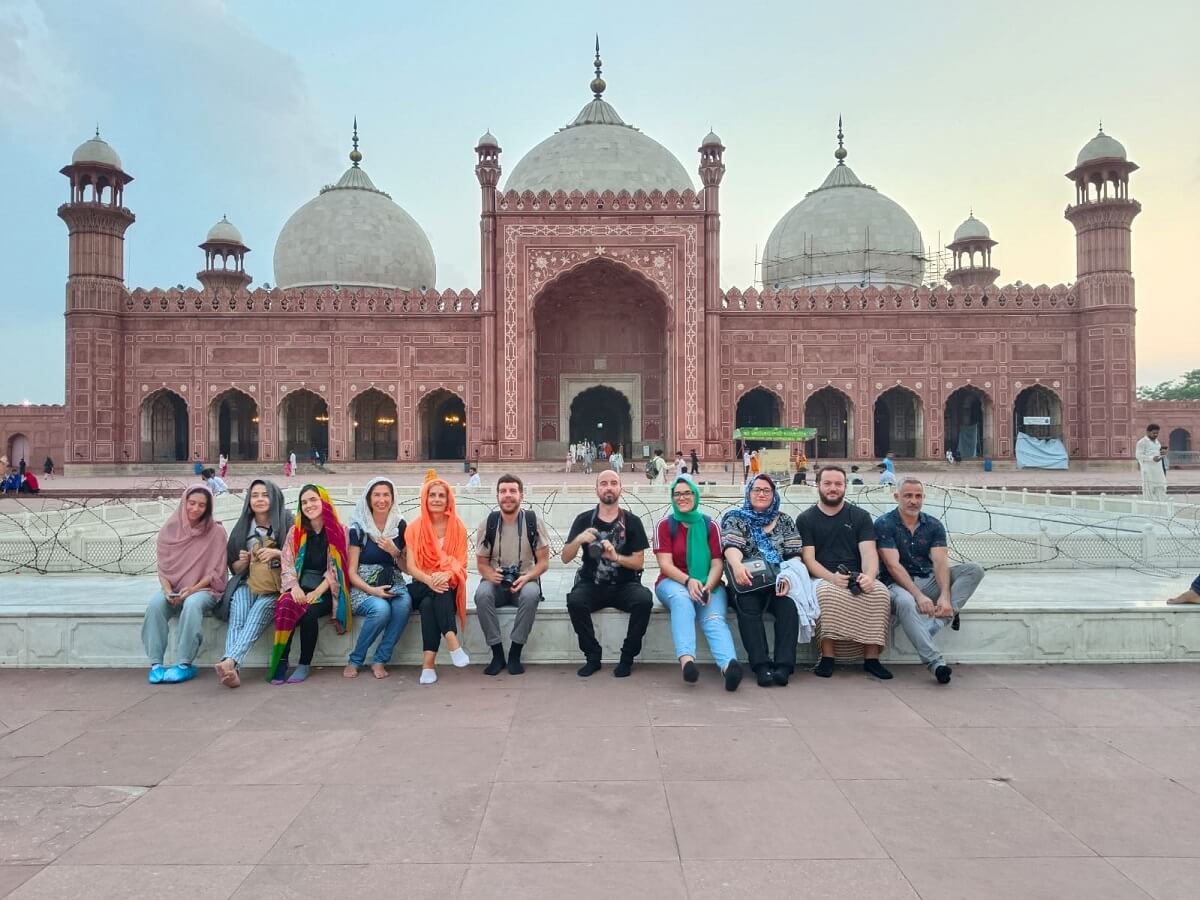
Lahore also provides the richest concentration of Pakistani food culture available in any single city, the most active arts and music scene in the country, and a social atmosphere of such warmth and engagement that most visitors describe the people of Lahore, the Lahoris, as among the most hospitable they have encountered anywhere in the world.
As a travel agency destination for international tourism in Pakistan, Lahore is the city that most consistently converts a visitor into a repeat traveler, and it is the destination that Perch Travels and Tours most frequently includes in multi-city Pakistan itineraries because it produces the kind of human and cultural encounter that anchors the memory of the whole trip.
Best Time to Visit Lahore Pakistan
Lahore’s climate divides the year into two distinct periods: the cool season from October through March when the city is at its most pleasant and most active, and the hot season from April through September when temperatures in May, June, and July regularly reach between 40 and 48 degrees Celsius and outdoor sightseeing becomes genuinely demanding.
October to March: The Best Time to Visit Lahore
The months of October through March represent the optimal period for tourism in Lahore. Temperatures are comfortable to cool during the day, the evenings are cold in December and January, and the city is at its most socially and culturally active. The Lahore Literary Festival, typically held in February, is one of South Asia’s most significant literary and intellectual events and draws writers, thinkers, and cultural figures from across Pakistan and internationally. The spring gardens of Shalimar bloom in February and March. The morning light on the Badshahi Mosque and Lahore Fort during winter is the best photographic light available in the city.
February and March: Festival Season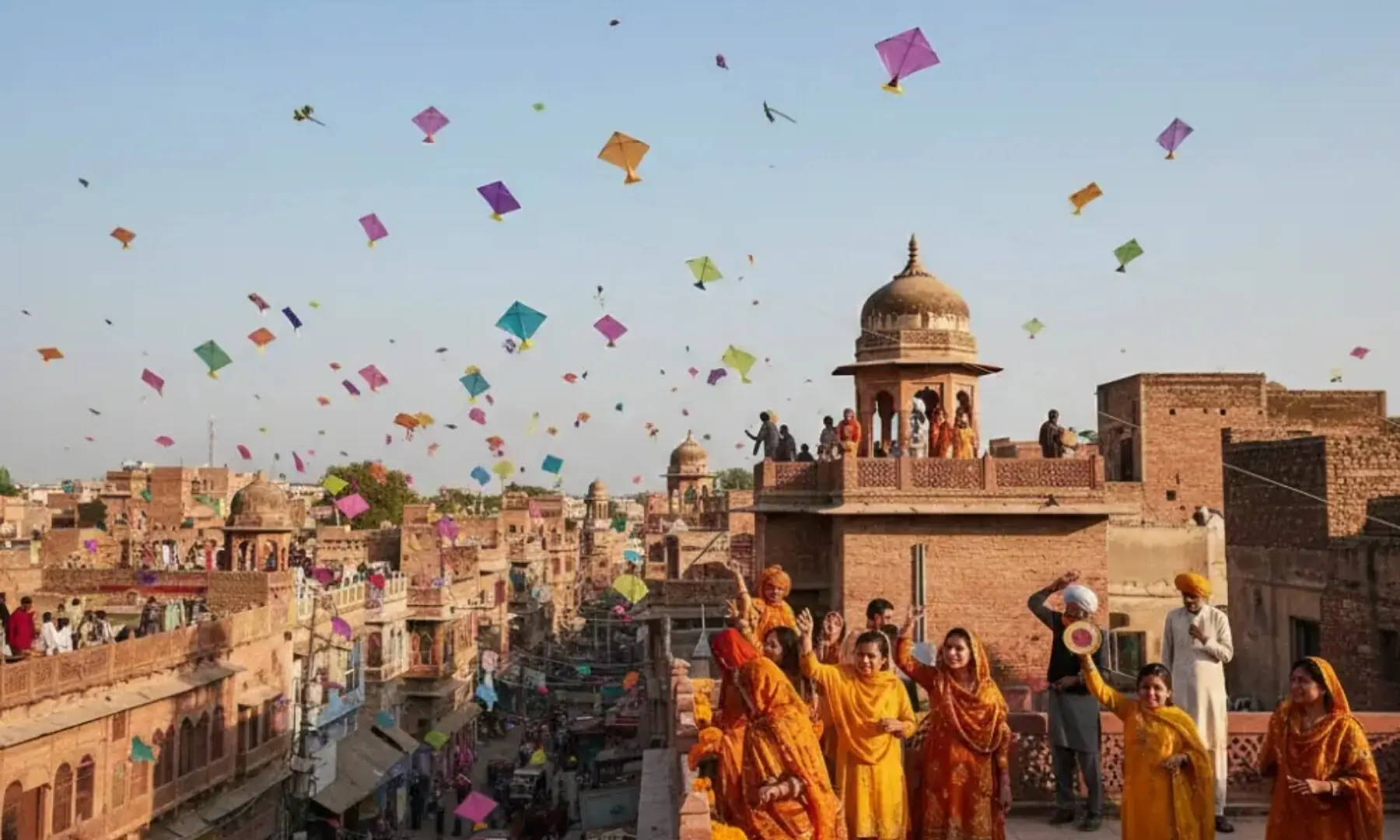
February and March in Lahore see the concentration of annual cultural events including the Lahore Literary Festival, various food festivals, and the Horse and Cattle Show at the Fort grounds that has been a fixture of Lahore’s spring calendar for decades. Planning a Lahore Pakistan visit around these events adds a cultural layer to the standard heritage and food itinerary that significantly enriches the experience.
April through September: With Preparation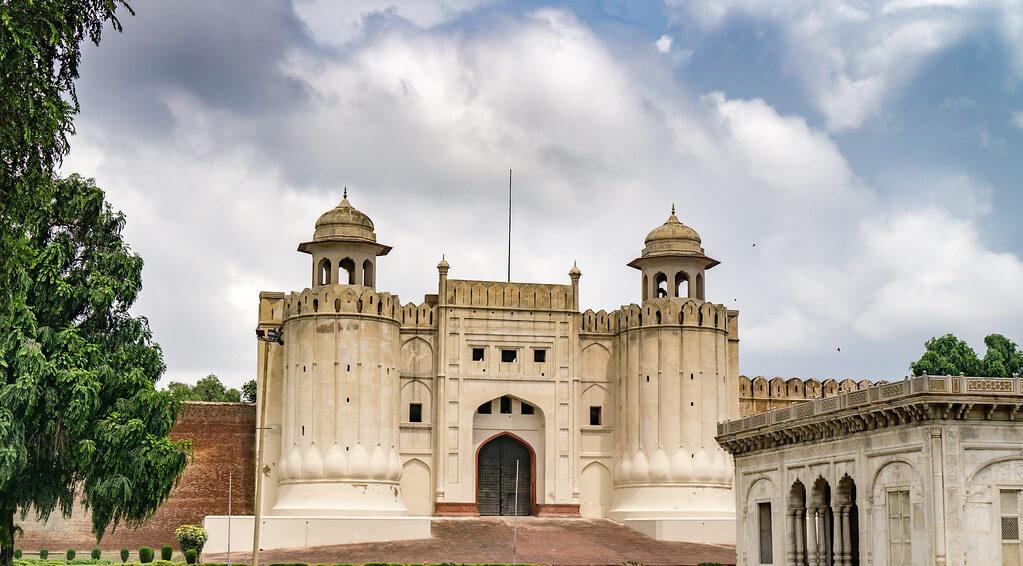
Traveling to Lahore during the hot months is manageable with preparation but requires shifting the sightseeing schedule to early mornings and late evenings, when the temperatures are lower and the light on the monuments is at its most beautiful. The heat is most intense in May, June, and early July. The monsoon arrives in late July and August, bringing brief but heavy rainfall that cools the city temporarily and makes the gardens and green spaces particularly beautiful.
How to Get to Lahore
By Air
Lahore’s Allama Iqbal International Airport is one of Pakistan’s two major international aviation hubs and receives direct flights from the UAE, Saudi Arabia, Qatar, Turkey, the United Kingdom, and several other origins. Emirates, Etihad, Qatar Airways, Turkish Airlines, and Pakistan International Airlines all operate regular services. From Dubai, the flight to Lahore takes approximately two and a half hours. From London, approximately eight hours with connections. The airport is located in the western outskirts of the city and is approximately 40 minutes to one hour from the central Gulberg and walled city areas by road depending on traffic.
Perch Travels and Tours’ Flight Services handles all international bookings into Lahore and arranges airport transfers to client accommodation as part of their full travel planning service.
By Road from Islamabad
The drive from Islamabad to Lahore on the M2 Motorway covers approximately 375 kilometers and takes between four and five hours depending on traffic around the major interchanges. The motorway is Pakistan’s most maintained road and the drive is comfortable in a standard vehicle. Many Pakistan travelers combine Islamabad and Lahore in a single itinerary, driving between the two cities as part of a broader circuit that also includes the northern mountain regions.
By Train
The Lahore Junction Railway Station is one of Pakistan’s historic railway hubs, built during the British colonial period in 1859, and the train connection between Islamabad and Lahore on the Green Line Express is a comfortable and scenic journey of approximately four to five hours. Train travel in Pakistan has an atmospheric quality specific to the Subcontinent that many experienced Pakistan travelers include deliberately in their itinerary as an experience rather than simply a transport option.
Top Attractions in Lahore Pakistan
Lahore Fort (Shahi Qila)
Lahore Fort is the single most important heritage structure in Lahore and one of the most significant historical complexes in South Asia. The fort is a UNESCO World Heritage Site alongside the adjacent Shalimar Gardens, and its continuous construction across the Mughal period from the reign of Akbar through Aurangzeb, with additions from the Sikh Empire, represents five centuries of royal architecture in a single walled complex.
The most celebrated structures within the fort are the Sheesh Mahal, the Mirror Palace built under Shah Jahan whose interior walls and ceiling are covered in thousands of small mirrors that reflect candlelight into a simulation of a starlit sky, the Diwan-e-Aam or Hall of Public Audience where the Mughal emperor received petitions from his subjects, the Naulakha Pavilion built at a cost of nine lakh rupees according to the records of the time, and the Picture Wall, a 400-meter-long decorative facade on the northern exterior of the fort covered in glazed tile mosaics and frescoes depicting Mughal court life. The fort requires a full morning or afternoon to visit properly, and the quality of the experience is significantly enhanced by the guidance of a local tour guide with specific knowledge of the Mughal period.
Badshahi Mosque
Badshahi Mosque, built under the Mughal Emperor Aurangzeb and completed in 1673, was the largest mosque in the world for over three centuries and remains one of the most architecturally refined religious buildings on earth. The mosque’s main prayer hall and its four corner minarets are built from red sandstone with white marble inlay in a style that represents the peak of Mughal religious architecture. The courtyard, which can accommodate 100,000 worshipers at prayer, is one of the largest open-air prayer spaces in the world.
Badshahi Mosque is open to visitors of all backgrounds except during the five daily prayer times. Entry is free and modest dress is required, with robes available at the entrance for visitors not wearing appropriate clothing. The view of the mosque from the ramparts of Lahore Fort opposite, particularly at sunset when the red sandstone takes on a deep amber color, is one of the most enduringly beautiful architectural vistas in Pakistan.
Shalimar Gardens

The Shalimar Gardens, co-listed with Lahore Fort as a UNESCO World Heritage Site, were designed under the Mughal Emperor Shah Jahan in 1641 and represent one of the finest surviving examples of Mughal imperial garden design. The gardens are laid out on three descending terraces connected by water channels, cascades, and fountains that in the Mughal period were served by an elaborate hydraulic system drawing water from the Ravi River. The symmetry of the garden layout, the quality of the white marble pavilions and water features, and the extraordinary maturity of the trees that have grown within the walls for nearly four centuries make Shalimar one of the most contemplative and genuinely beautiful spaces in Lahore.
Wazir Khan Mosque
The Wazir Khan Mosque, located within the walled city of Lahore near the Delhi Gate, is widely considered the most elaborately decorated mosque in Pakistan and one of the finest examples of Mughal tile-work architecture in existence. Built in 1634 under Shah Jahan’s governor Wazir Khan, the mosque’s interior courtyard and the facade of the main prayer hall are covered in kashi-kari, the Lahori glazed tile mosaic tradition, in patterns of extraordinary intricacy and color. The Wazir Khan Mosque is smaller and less visited than Badshahi but its decorative detail rewards closer attention and longer time, and for travelers with any interest in craft tradition and architectural ornament it is the most satisfying single building in the city.
Data Darbar
Data Darbar is the shrine of Hazrat Ali Hujwiri, a Sufi saint who came to Lahore from Afghanistan in the 11th century and wrote one of the most important early texts of Sufi Islam, the Kashf al-Mahjub. His shrine is the largest Sufi dargah in South Asia and one of the most visited religious sites in Pakistan, receiving thousands of visitors and pilgrims daily. The atmosphere at Data Darbar is unlike anything else in Lahore and unlike most religious sites anywhere in the world: inclusive, communal, and suffused with the specific quality of devotion that Sufi tradition cultivates. On Thursday evenings the shrine hosts qawwali, the devotional music of South Asian Sufism, performed by musicians who have dedicated their practice to the tradition for decades. The Thursday evening qawwali at Data Darbar is one of the most singular cultural experiences available in Pakistan.
Perch Travels and Tours’ Inner Journey service includes Data Darbar visits and specifically the Thursday qawwali gathering as part of curated Lahore cultural itineraries, providing the contextual guidance that makes the spiritual dimension of the experience accessible to visitors unfamiliar with Sufi tradition.
The Walled City of Lahore
The walled city, the inner historic core of Lahore enclosed by the original Mughal city walls of which several gates survive, is the densest concentration of history, architecture, craft, food, and living culture available in any urban area in Pakistan. Walking its lanes is walking through a city that has not fundamentally changed in its spatial character for several hundred years, where the havelis, the carved wooden facades, the narrow streets, the sound of artisans working and vendors calling, and the smell of street food and incense create an environment of total sensory immersion.
The most rewarding way to experience the walled city is through a guided walk with a local tour guide who knows the specific buildings, stories, and craftspeople within it. Perch Travels and Tours’ Taste and Tradition service includes guided bazaar walks through the walled city that combine architectural heritage, craft workshops, food encounters with local cooks, and access to the social life of the city in a way that independent walking cannot replicate.
The major entry points to the walled city are the Delhi Gate, the Lahore Gate, and the Bhati Gate, and the route connecting them via the historic bazaars of Anarkali, Kashmiri Bazaar, and the Food Street area covers the most concentrated section of the walled city’s heritage.
Lahore Museum
The Lahore Museum on The Mall is one of the most important museums in South Asia and holds collections that span the full chronological range of human civilization in the region from the Indus Valley period through the Mughal and British Colonial eras. The museum’s most celebrated object is the Fasting Buddha, a Gandharan sculpture from the 2nd to 3rd century CE depicting Siddhartha Gautama in a state of extreme ascetic practice that is one of the most humanly affecting sculptures in any museum in the world. The Zamzama cannon in front of the museum, immortalized as Kim’s Gun in Rudyard Kipling’s novel Kim, is a 4.9-meter cast iron siege gun that is among the largest surviving Mughal-era cannons in existence.
Minar-e-Pakistan
Minar-e-Pakistan, the Tower of Pakistan, stands in the Iqbal Park near the walled city and marks the location where the Lahore Resolution of 1940 was passed, the political declaration that is considered the foundational moment of Pakistan’s independence movement. The tower, completed in 1968, is 70 meters tall and provides views across Lahore from its observation platform. The park surrounding it is one of the most popular public spaces in the city and the atmosphere on Friday evenings and weekends, when Lahori families gather for picnics and recreation, offers a direct view of the city’s social life at its most relaxed.
Lahore Food: The Best Culinary City in Pakistan
Lahore’s food culture is the most developed, most regionally specific, and most emotionally significant in Pakistan. To eat seriously in Lahore over several days is to understand something about the Punjabi relationship between food and hospitality that no other single experience in the city can provide.
Fort Road Food Street
The Fort Road Food Street is Lahore’s most celebrated evening food destination, a restored section of the old city near Badshahi Mosque where historic havelis have been converted into open-fronted restaurants serving traditional Lahori food against the backdrop of the illuminated mosque and fort. The best time to visit is in the evening when the lights are on, the food is at its freshest, and the combination of architectural beauty and culinary abundance makes it one of the most photographed dining environments in Pakistan.
The karahi at Fort Road, cooked in large iron woks over open flame with fresh tomatoes, green chilies, and generous amounts of clarified butter, is the standard against which every other karahi in Pakistan is measured. The Lahori murgh charga, a whole chicken marinated in spices and fried to a specific dry crispness that is entirely distinct from any other fried chicken preparation, is the dish most strongly associated with this food street and is available from several restaurants that have refined the preparation over decades.
Gawalmandi Food Street
Gawalmandi, located in the older commercial district of the city, is a more rough-edged and more locally-oriented food destination than Fort Road, and is where serious Lahori food travelers eat rather than where they take visitors for the view. The halwa puri breakfasts at Gawalmandi, served from small restaurants that open before dawn and sell out by mid-morning, are the best in the city. The nihari, the slow-cooked beef shin stew that is the foundation of Lahori breakfast culture, is available here from establishments that have maintained the same overnight cooking practice for generations.
Burns Road Food Street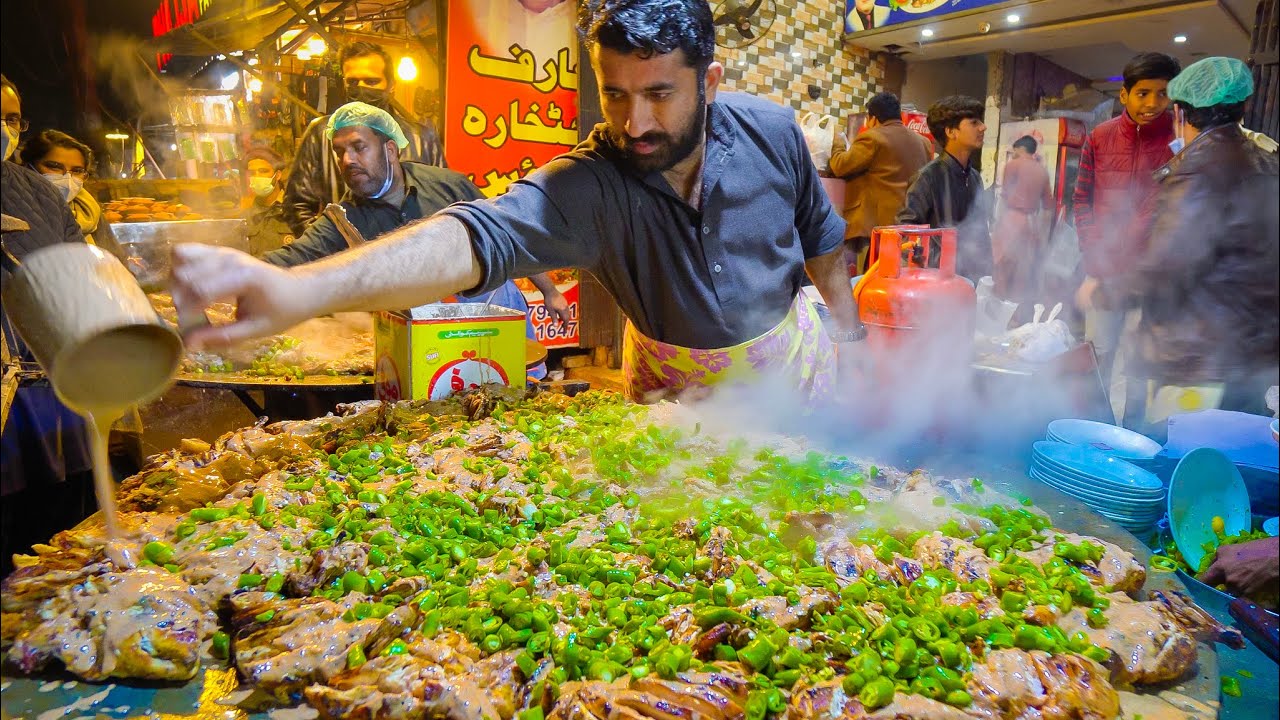
Burns Road in the Saddar area is the city’s original food street, predating Fort Road’s development, and holds some of the oldest continuously operating food businesses in Lahore. The variety on Burns Road is broader than the other food streets, covering biryani, karahi, paaye, and the full range of traditional Lahori cooking in a setting that is entirely functional rather than designed for tourism, which means the food is made for regulars rather than visitors and the quality reflects that accountability.
Old Anarkali
Old Anarkali, adjacent to the Anarkali Bazaar, is Lahore’s most famous area for chaat, the category of tangy, spiced snack preparations that is central to Lahori street food culture. Dahi bhalla, gol gappay, papri chaat, and the various other preparations that constitute the chaat tradition are available here from stalls that have occupied the same locations for decades and that produce the best versions of each dish available in the city.
Perch Travels and Tours’ Taste and Tradition service designs dedicated food trails across all of Lahore’s major food areas, including early morning halwa puri at Gawalmandi, evening karahi at Fort Road, and chaat at Old Anarkali, with local cook guides who provide the cultural context and specific vendor knowledge that turns a meal into an education.
Where to Stay in Lahore
Luxury Accommodation
Lahore’s luxury hotel market is anchored by the Pearl Continental Hotel in the central Shahrah-e-Quaid-e-Azam area, which has been the city’s flagship international hotel for decades, and by the Avari Hotel in the Shahrah-e-Fatima Jinnah area. Both properties offer the full range of international luxury facilities and are located within reasonable distance of the central cultural attractions. The Nishat Hotel in Gulberg is the most recently developed upscale option and combines modern facilities with a location in the heart of the city’s best restaurant and commercial district.
Mid-Range Accommodation
The Gulberg area of Lahore holds the highest concentration of mid-range hotels that offer comfortable rooms, in-house dining, and proximity to the city’s best restaurants and markets. Hotels in the Defence Housing Authority area provide similar comfort with a slightly more residential character. For travelers whose primary interest is the walled city and the Mughal heritage sites, accommodation near The Mall or the Garden Town area minimizes transit time to the most visited attractions.
Community and Boutique Stays
Perch Travels and Tours selects accommodation for Lahore visits based on their direct knowledge of each property’s quality, location, and suitability for the client’s specific itinerary. For travelers interested in the most authentic and immersive experience of Lahore’s domestic life, they also incorporate heritage haveli stays and boutique guesthouse options in the older city areas that provide a qualitatively different character of accommodation from the standard hotel circuit.
Practical Travel Tips for Lahore
Lahore is a large and sprawling city. The distance between the walled city attractions and the Gulberg restaurant district is approximately eight to ten kilometers, and the distance from the airport to the central areas is a further fifteen to twenty kilometers. Using a reliable private car hire or the Perch transportation service rather than random taxis significantly reduces the friction of moving between areas, particularly during the morning and evening rush hours when Lahore’s traffic can add substantial time to any journey.
The heat from April through September is genuine and should not be underestimated. Scheduling outdoor heritage visits for before ten in the morning and after five in the evening during the hot months, and spending the middle of the day in air-conditioned restaurants, museums, or accommodation, is the standard approach for anyone visiting Lahore in summer.
Lahore is a city where eating adventurously at street level is both safe and enormously rewarding. The same practical guidelines for street food that apply anywhere apply in Lahore: eat from high-turnover stalls where food is freshly cooked in front of you, carry hand sanitizer, and drink bottled water. Following these simple practices allows full access to the street food culture that is one of the city’s greatest gifts to visitors.
The walled city is best navigated on foot with a guide. The lanes are narrow, the signage is absent, and the layout is the organic accumulation of centuries rather than a planned grid. A local guide with knowledge of the area not only prevents the very real possibility of getting thoroughly lost but provides the human context that transforms a confusing walk into a coherent and memorable experience of living history.
How Perch Travels and Tours Plans Lahore City Visits
Perch Travels and Tours manages complete Lahore city visit itineraries for clients arriving from international origins and from other cities within Pakistan. Their approach to Lahore is built on the same principle that defines all their work: that access to the genuine quality of a place requires local knowledge, established relationships, and the logistical support that frees the traveler to be fully present rather than managing the mechanics of the visit.
Their Taste and Tradition service is the most directly relevant to Lahore, with market walks with local cooks, food trails across the city’s major food streets and bazaars, craft and artisan workshops in the walled city, and home kitchen sessions that provide the most intimate available entry point into Lahori food culture. Their Inner Journey service covers Data Darbar, the Thursday night qawwali experience, and the broader Sufi heritage of the city. Their Transportation Services provide professional drivers for all city movement and the intercity transfers between Lahore and Islamabad, Naran, or any other destination in the broader Pakistan itinerary.
For international travelers who want a professional travel agency to handle all elements of their Pakistan visit including the Lahore component, Perch provides complete travel and tour planning from the first flight booking through to the final hotel checkout, with every logistical element managed and every experience curated based on their direct knowledge of what Lahore offers at its best.
Perch Travels and Tours holds a 5.0 Google rating from over 24 verified clients and serves travelers from Pakistan, the UAE, the United Kingdom, Germany, the United States, and Australia. Their philosophy that luxury is a quality of experience rather than a price bracket applies to Lahore as directly as it does to Hunza or the Amalfi Coast.
Contact Perch Travels and Tours at contactus@perchtravelsandtours.com or visit perchtravelsandtours.com to plan your Lahore visit.
Frequently Asked Questions About Visiting Lahore Pakistan
What are the best things to do in Lahore Pakistan?
The best things to do in Lahore Pakistan cover three distinct categories of experience that together define what makes the city extraordinary. In heritage and architecture, Lahore Fort and Badshahi Mosque are the non-negotiable starting points, followed by the Wazir Khan Mosque within the walled city for its extraordinary tile-work detail, the Shalimar Gardens for their Mughal landscape design, and the Lahore Museum for its Gandharan Buddhist collection including the Fasting Buddha sculpture. In food culture, Fort Road Food Street for evening karahi and murgh charga, Gawalmandi for early morning halwa puri and nihari, and Old Anarkali for chaat provide the most concentrated introduction to Lahori cooking. In spiritual and cultural experience, Data Darbar on a Thursday evening for qawwali devotional music and a guided walking tour through the walled city bazaars are the two experiences that most consistently produce the deepest impression on first-time visitors. Perch Travels and Tours’ Taste and Tradition service designs itineraries that cover all three categories in a sequenced, locally guided format.
What is the best time to visit Lahore for tourism?
The best time to visit Lahore for tourism is October through March, when temperatures are comfortable to cool, outdoor sightseeing is pleasant throughout the day, and the city’s cultural calendar is at its most active. February is particularly rewarding because the Lahore Literary Festival, one of South Asia’s most significant intellectual and cultural events, typically takes place in this month. March brings the spring season to the Shalimar Gardens and the surrounding parks, and the morning light on the Mughal monuments during the cool season is the best available for photography. Travelers visiting in the hot months of May through August should plan all outdoor heritage visits for early morning before ten and late afternoon after five, using the midday hours for indoor attractions including the Lahore Museum and air-conditioned restaurant experiences. The monsoon in July and August produces brief, dramatic rainfall that cools the city and creates its own visual quality in the streets and gardens of the walled city.
How do you get to Lahore from Islamabad or from international origins?
Travelers from international origins reach Lahore through the Allama Iqbal International Airport, which receives direct flights from the UAE, Saudi Arabia, Qatar, Turkey, and the United Kingdom among other origins. From Dubai, the flight takes approximately two and a half hours. From London, approximately eight hours with connections through Gulf hub airports. From within Pakistan, the most common route to Lahore is from Islamabad on the M2 Motorway, a four to five-hour drive through the Punjab plains, or by train on the Green Line Express from Rawalpindi Junction, also approximately four to five hours. Perch Travels and Tours’ Flight Services handles all international bookings into Lahore and arranges airport transfers, and their Transportation Services manage the intercity road journey from Islamabad or other Pakistan cities for clients who are combining Lahore with a broader Pakistan itinerary.
How does Perch Travels and Tours help travelers experience Lahore beyond the standard tourist circuit?
Perch Travels and Tours accesses the layers of Lahore that exist beneath the standard heritage site checklist through their local relationships and service programs. Their Taste and Tradition service places travelers with local cooks and food guides who navigate the walled city’s specific food establishments, take clients to the Gawalmandi early morning breakfast culture that most visitors never reach, and facilitate home kitchen sessions that provide the most intimate available encounter with Lahori cooking. Their Inner Journey service includes the Thursday night qawwali at Data Darbar with cultural context guidance that makes the spiritual dimension of the experience comprehensible and moving for visitors of all backgrounds. Their guided walled city walking tours, conducted with local guides who have specific knowledge of the area’s history, architecture, and resident craftspeople, convert a confusing and dense historic district into a coherent and deeply rewarding human experience. The combination of these services means that a Lahore visit arranged through Perch is qualitatively different from a self-guided or generically guided visit, because it is built on local knowledge and human access that only comes from years of relationship within the city.